Two Cities. Same Mission. Different Vibes.
If you're building a location-independent life in Southeast Asia, Chiang Mai and Da Nang both deserve serious consideration. Both cities have thriving digital nomad communities, reasonable costs, solid infrastructure, and a strong sense of welcoming expat culture. But they're different in meaningful ways. Chiang Mai is established, calm, and deeply embedded in nomad culture. Da Nang is the new hotspot. It's growing fast, the government is actively supporting nomads, and the energy feels different, less settled, more electric.
Many nomads now rotate between the two cities. Some spend three months in Chiang Mai, then shift to Da Nang for a change of pace. Others base themselves in one and take trips to the other. The decision often comes down to what you value most: beachside living, cost precision, or community depth.

The Beach Factor: The Biggest Difference
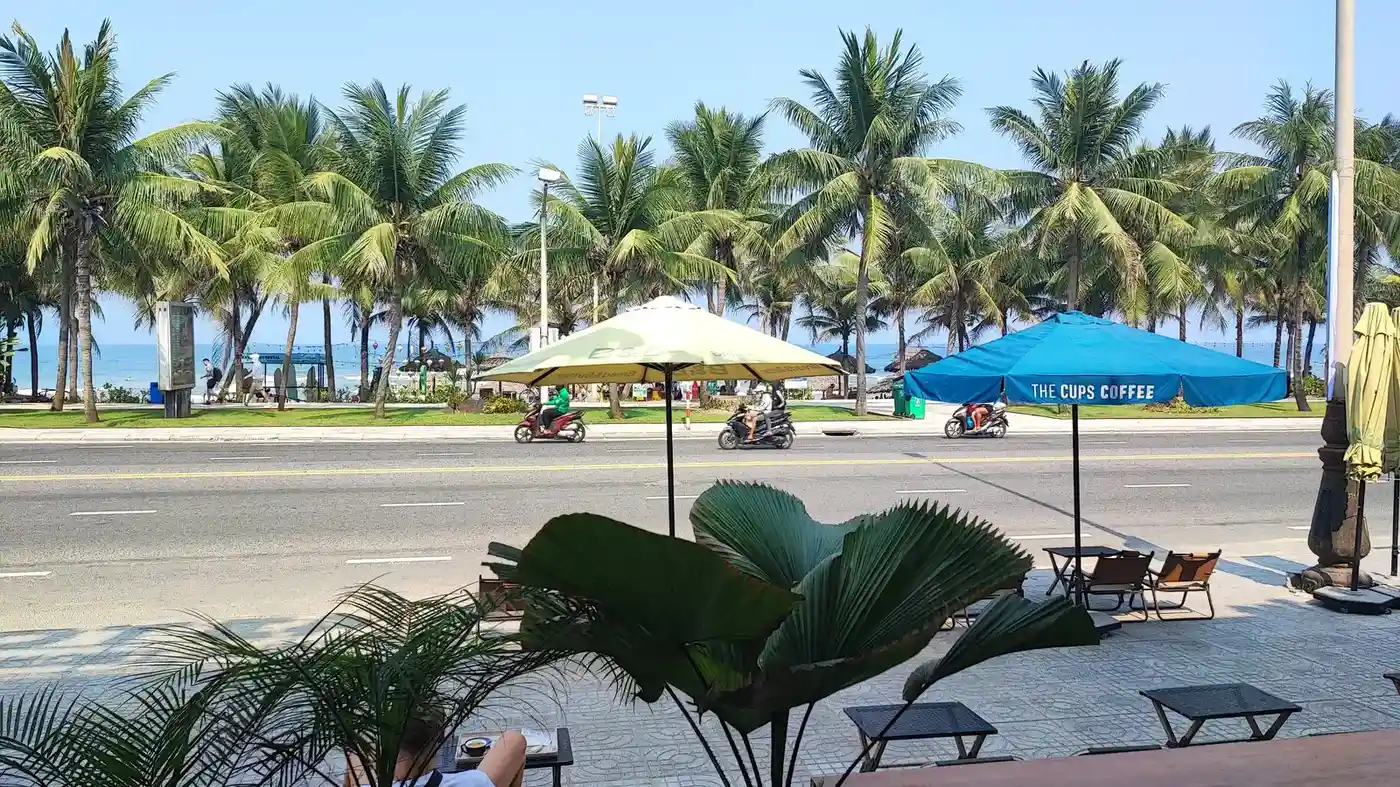
Let's be direct. If you want beach access as part of your daily life, Da Nang wins. The city sits on the coast. Walking out your door and being 10 minutes from sand is not a special occasion. It's normal.
Chiang Mai is landlocked. It's not a hardship by any stretch. The city has incredible character, excellent food, and a deeply established nomad culture. But if you're dreaming of morning swims and sunset walks on the beach, Da Nang delivers that consistently.
Da Nang's beach infrastructure is also built out for tourists and locals. The My An peninsula area is heavily populated by nomads, and it's a proper tourist district with everything from seafood restaurants to beach bars. The infrastructure hasn't evolved dramatically for nomads specifically, but it exists. You won't lack for options.
Mindset and Community: Both Strong, Different Flavours
Both cities have energized nomad communities. But they feel different.
Chiang Mai's community is established and stable. People here are often on longer-term visas or residency. The culture is slow-paced, reflective, and focused on depth of connection. Expat Facebook groups have thousands of members. Co-working spaces are mature. The vibe is "let's build a life here," not "let's stay for six months."
Da Nang's community is rapidly expanding and more fluid. You'll find more people on shorter-term rotations. The government has been consulting directly with nomad groups and listening to feedback. There's a sense of early-stage opportunity here. The Da Nang Nomad Fest brings together creators, entrepreneurs, and remote workers regularly. The WhatsApp groups are active and many. It's organized chaos in the best way.
Coffee Culture: Equally Strong in Both
Coffee matters to nomads. Both cities have figured this out.
Chiang Mai has been the coffee capital of Southeast Asia for years. Vietnamese robusta and Thai arabica beans are roasted locally. Specialty coffee shops are everywhere. You can get excellent pour-overs, flat whites, and cold brew at any decent cafe for 60-100 THB. The coffee scene is mature and competitive.
Da Nang has discovered coffee too, though more recently. Vietnamese coffee culture is strong throughout the country. You'll find excellent iced coffee and cappuccinos in Da Nang at similar prices. The difference is subtlety. Chiang Mai's cafe scene is more curated and specialized. Da Nang's is more straightforward and abundant. Both will keep you caffeinated and happy.
Lifestyles: Remarkably Similar
If you're sitting in a co-working space in Chiang Mai or Da Nang, you're experiencing very similar daily rhythms. Wake up early, coffee, work, lunch, co-working or cafe time, gym or yoga in the evening, dinner with other nomads.
The nomad lifestyle infrastructure is strong in both places. Gym memberships are affordable. Yoga studios are plentiful. Food is accessible and good. Transportation via Grab is reliable. Both cities have adopted English widely in the nomad zones.
The difference is one of scale and pace. Chiang Mai feels slower. You can ignore the tourist crowd entirely if you want. Da Nang feels busier. The tourist and nomad zones are more integrated. Prices are rising as the city grows.
Infrastructure and Digital Connectivity
Chiang Mai has solid, proven infrastructure. Internet is reliable. Power is stable. Getting a SIM card is straightforward. The systems work because they've been refined over years of handling expats and nomads.
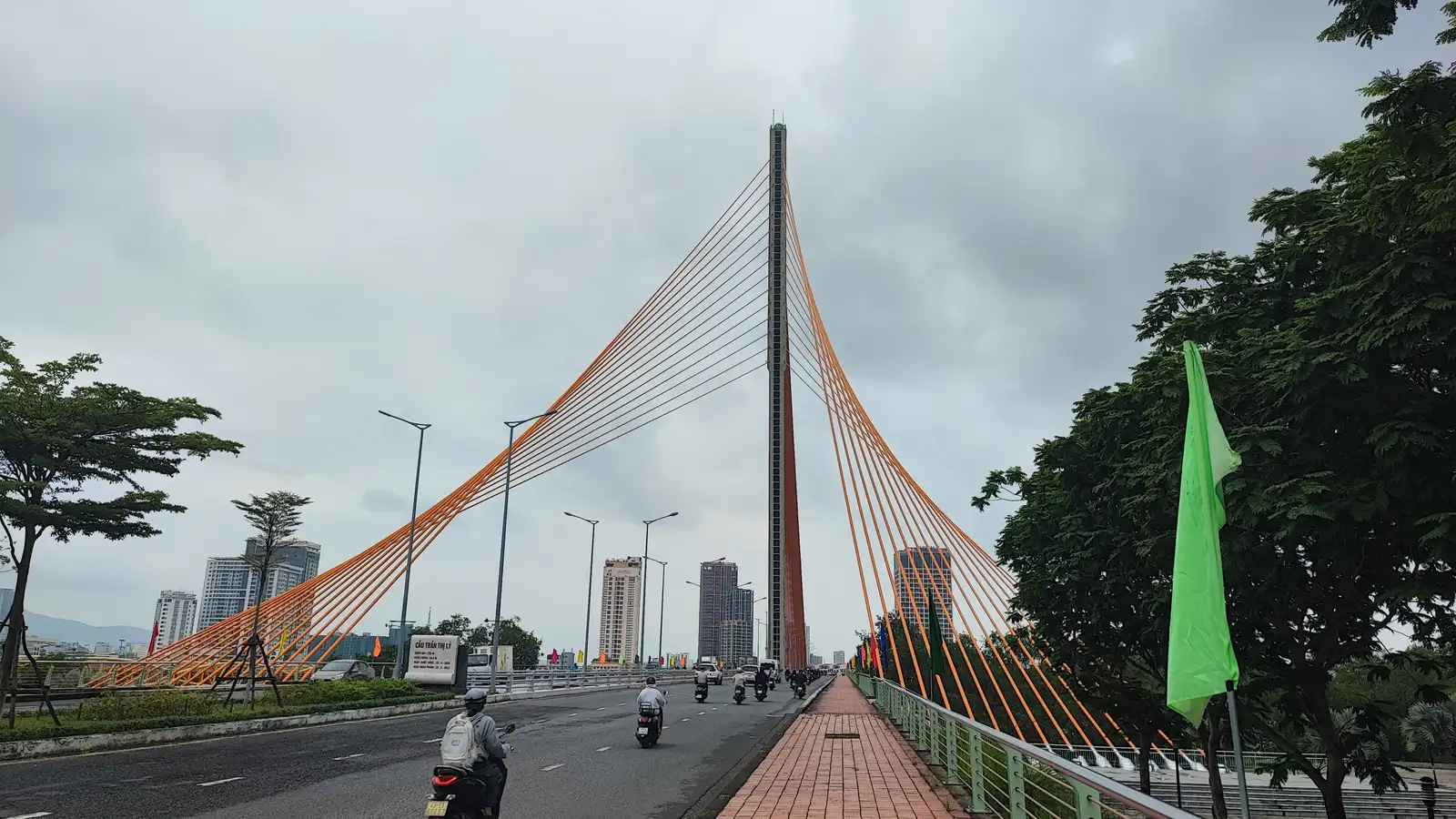
Da Nang's infrastructure is equally functional but newer. The roads are exceptional. Three or four lanes wide, excellent traffic flow, and very organized city planning. The digital infrastructure is modern because the city is building it now. You won't find aging utilities or poorly maintained roads. Everything feels fresh.
Both cities have modern banking options and easy access to visa services. Neither requires you to leave the city for bureaucratic needs. Both have good international clinics. Healthcare quality is comparable.
Accommodation: The Real Story
This is where the comparison gets interesting. Chiang Mai's accommodation market is stable and well-mapped. You know what a one-bedroom apartment costs. You know the neighbourhoods. Prices haven't shifted dramatically in years. A decent apartment near the Nimman area runs 8,000-12,000 THB per month. Beach-adjacent villas run higher.
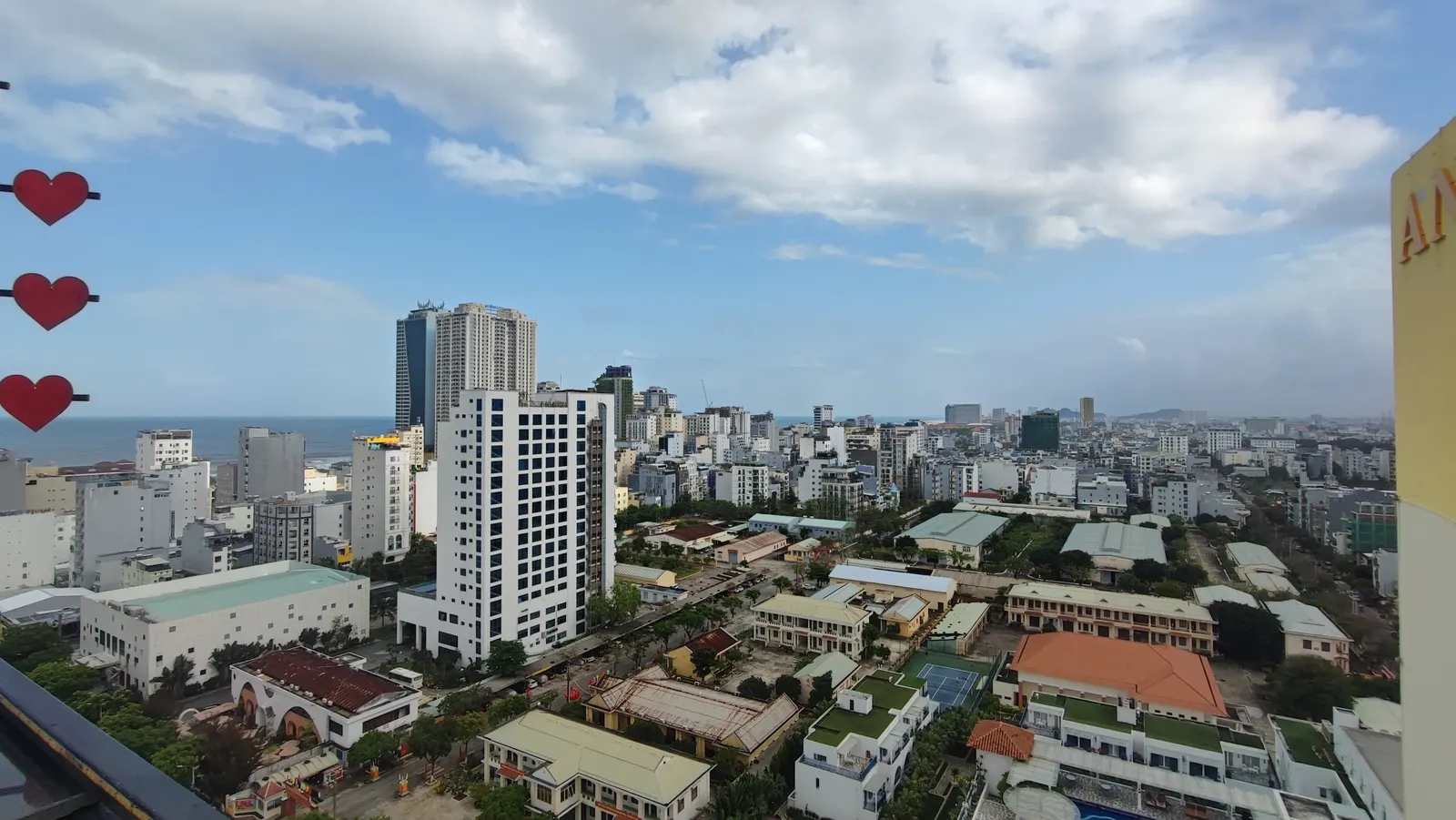
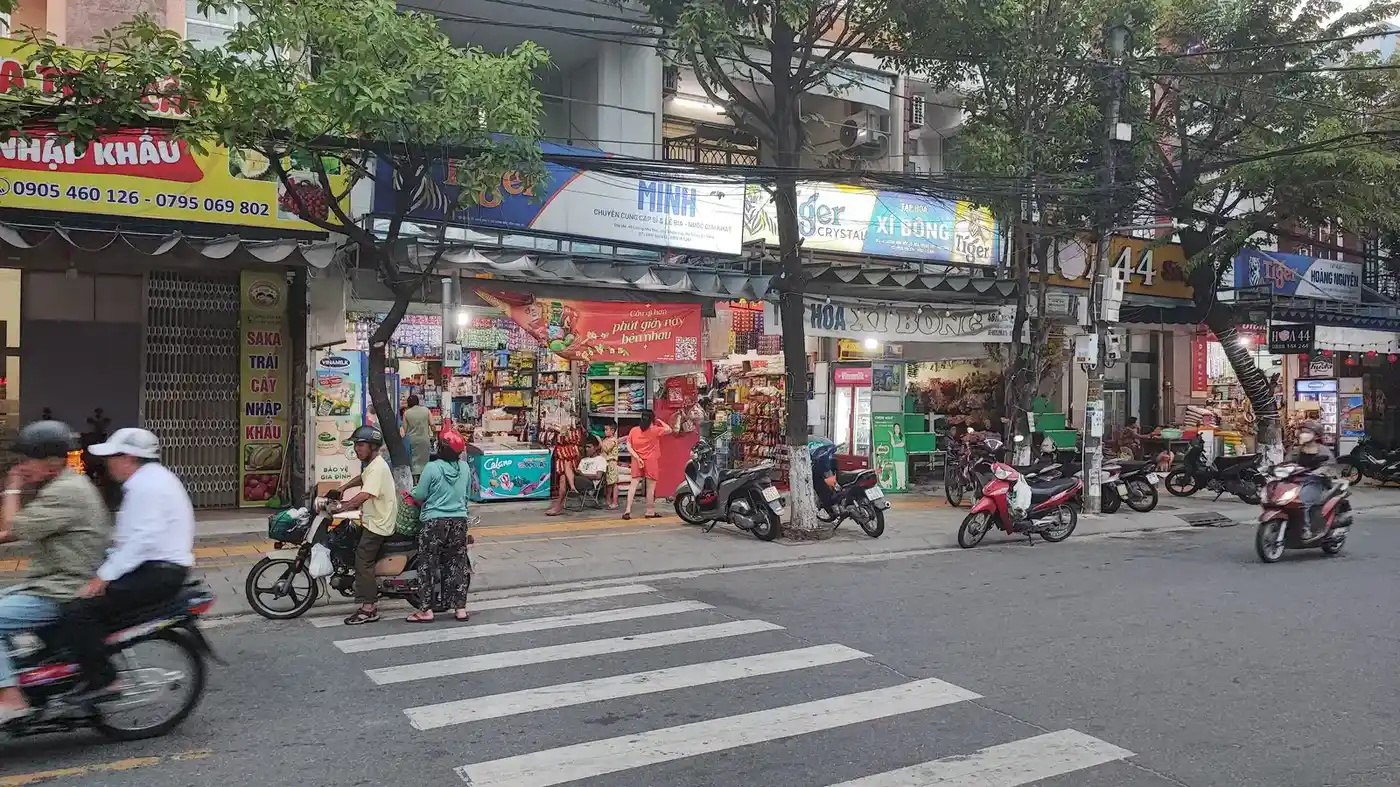
Da Nang's accommodation market is in flux. Prices are rising noticeably compared to what people paid just one or two years ago. The same apartment that rented for 400-500 USD annually is now 600-700 USD. The government is being supportive, but the market dynamics of a booming city are real. Landlords know demand is increasing.
If you're considering Da Nang, locking in a good long-term lease now is smart. Prices will likely continue to move upward. Chiang Mai remains a stable value proposition.
Cost Comparison: The Numbers
Let's ground this in actual data. I spent time in Da Nang and tracked expenses across food, transport, and miscellaneous costs. Here's what daily life actually looks like in both cities.
Daily Expenses (Tracked from Da Nang trip):
| Category | VND | THB | USD |
|---|---|---|---|
| Food & Drink | 5,700,000 | 7,060 | 268.00 |
| Transport | 1,750,000 | 2,170 | 67.00 |
| Gear & Equipment | 137,000 | 170 | 5.00 |
| Laundry & Services | 200,000 | 248 | 8.00 |
| Other & Shopping | 760,000 | 942 | 29.00 |
| Total | 8,544,700 VND | 10,587 THB | $325.00 USD |
That's just daily living. Here's the complete breakdown of accommodation, flights, and visa costs:
Accommodation, Flights, and Visa:
| Item | VND | THB | USD |
|---|---|---|---|
| Accommodation Total | 7,850,353 | 9,725.63 | 298.53 |
| Flights Total | 6,997,529 | 8,671.04 | 266.04 |
| Visa | 657,500 | 814.75 | 25.00 |
| Subtotal | 15,505,382 VND | 19,211.42 THB | $589.57 USD |
Complete Trip Total (Daily + Accommodation + Flights + Visa):
| Complete Trip Total | 24,050,082 VND | 29,795 THB | $914.00 USD |



The takeaway: your daily costs in Da Nang will be comparable to Chiang Mai if you're conscious about spending. But factor in accommodation inflation and the cost difference becomes more apparent. A month in Da Nang is now realistically 1,500-2,000 USD total if you want decent space and neighbourhood access. Chiang Mai will run you 1,200-1,600 USD for equivalent living.
The Chiang Mai Ambassador, though, operates on a monthly budget of around USD$400.
The Emerging Circuit: Three Cities, Three Months Each
The pattern we're seeing is smart. Nomads are now spending three months in Chiang Mai, three in Da Nang, and three in Bali. It's a 12-month rotation. You get the stability and community of Chiang Mai, the beach and growth energy of Da Nang, and the nightlife and creative scene of Bali. Each city offers something different, and three months is just long enough to feel settled without getting bored.
This approach also hedges your risk. If prices spike in one city, you're not locked into that market. If the community vibe shifts, you have alternatives. It's location independence done right.
Which City Should You Choose?
Pick Chiang Mai if: You want long-term stability, an established expat community, proven infrastructure, and lower costs. The city has been refined by years of digital nomad experience. You won't be pioneering anything, but everything works.
Pick Da Nang if: You want beach access as part of daily life, you're drawn to emerging markets with growth energy, and you don't mind being part of a newer nomad wave. Prices will rise, but infrastructure is modern and government support is real.
Do both if: You have time. Spend three months in each. Work during the day, experience both communities, and decide which fits your mindset long-term. The flights are cheap enough that testing both cities is worth the investment in certainty.
Key Takeaways
Both Chiang Mai and Da Nang are excellent for digital nomads. Chiang Mai offers stability, an established community, and predictable costs. Da Nang offers beaches, modern infrastructure, growth momentum, and active government support. Daily costs are comparable. The difference is what you value most. Pick based on whether you want to be settled or in motion, beachside or inland, in an established nomad hub or an emerging one. Many nomads make this easy by simply rotating between both cities. You don't have to choose forever. Test both. Then decide where to plant roots.
Frequently Asked Questions
Is Chiang Mai or Da Nang better for digital nomads?
Chiang Mai has a larger, more established nomad infrastructure with co-working spaces, community events, and a broader range of accommodation at lower prices. Da Nang is growing but Chiang Mai has a decade head start on the nomad ecosystem. Both have fast internet and good cafes.
Is Chiang Mai cheaper than Da Nang?
Broadly similar for accommodation, though Chiang Mai has more range at the budget end. Food is cheaper in Da Nang for Vietnamese cuisine. International food and western groceries are more available and competitively priced in Chiang Mai. Overall cost of living is comparable.
Which city has better weather: Chiang Mai or Da Nang?
Da Nang has a tropical coastal climate with less extreme heat. Chiang Mai has a distinct smoky season (February to April) with PM2.5 air quality that can be severe. Da Nang gets significant rainfall during its typhoon season (October to December). Both have trade-offs.
Is it easier to get a long-stay visa for Thailand or Vietnam?
Thailand currently has broader long-stay visa options including the DTV, Retirement, and LTR visas. Vietnam's visa options for long stays are more limited and typically require departure and re-entry. Thailand wins on long-stay visa flexibility for most nationalities as of 2026.
Guru Tip
If you are genuinely considering both cities, spend at least two weeks in each before committing to a base. Chiang Mai's energy and culture is landlocked, slower, and more community-oriented. Da Nang is beachfront, more transient, and feels more like a resort city. They attract different types of long-term residents. The question is which type you are, not which city is objectively better.