Life on a Budget in Chiang Mai. How to live on around 12000 baht per month.
This budget guide reflects current 2026 pricing and includes Thai Health Insurance details. For insurance quotes and options, consult with specialists who can help you find the right coverage for your needs.
Many people are surprised by how affordably you can live in Chiang Mai. Approximately USD$350-400 per month on this tight budget. This is tighter than most lifestyles but quite possible, as proven over nearly 17 years of consistent practice.
There are many ways to reduce living costs in Chiang Mai. Being local and speaking even basic Thai can save significantly. Learning the Basics of Thai is a good starting point.
Daily Life
Living in Chang Klan, about 1 kilometer east of the old city, offers affordability in both time and money for daily commuting. A Yamaha Aerox 155cc motorbike is a popular choice, costing approximately 100 baht per week for fuel (USD$3). Annual registration costs 550 baht (USD$16) and includes compulsory insurance.
Accommodation
The Chang Klan area or “Night Bazaar” offers a range of accommodation options. Rooms run from 2,000 baht per month to around 30,000 baht (particularly in buildings like the Astra and similar establishments), with both budget and premium options available depending on your needs.
A typical mid-range room costs 4,000 baht per month. Good location choices can provide natural ventilation, reducing air conditioning needs. Utilities average around 700 baht per month. Home Internet costs approximately 398 baht per month.
The most important consideration is location: choosing to live close to where you spend most of your time saves significantly on transportation costs and time.
Food
In Chiang Mai you have so many sources of food and sometimes the most expensive option is to eat at home. The best dining experiences come from small family-run restaurants rather than international hotel chains like the Shangri-La or Marriott. Look for places always full of local Thai people. That’s the best sign of authentic food at fair prices.
Dining out offers convenience: no need to go to the supermarket, buy groceries, keep food cold, prepare, cook, or clean up. Meals at local vendors cost 40 baht or less, with most people leaving satisfied. Service is typically quick. About 15 minutes per meal unless the place is busy.
Chiang Mai’s food scene is built on small family businesses, food carts, and street stalls scattered throughout the city. You’ll find vendors serving authentic Thai dishes in neighborhoods, markets, and on busy streets. The key is exploring different areas and asking locals for recommendations to find the best value and authentic flavors.
Other Food
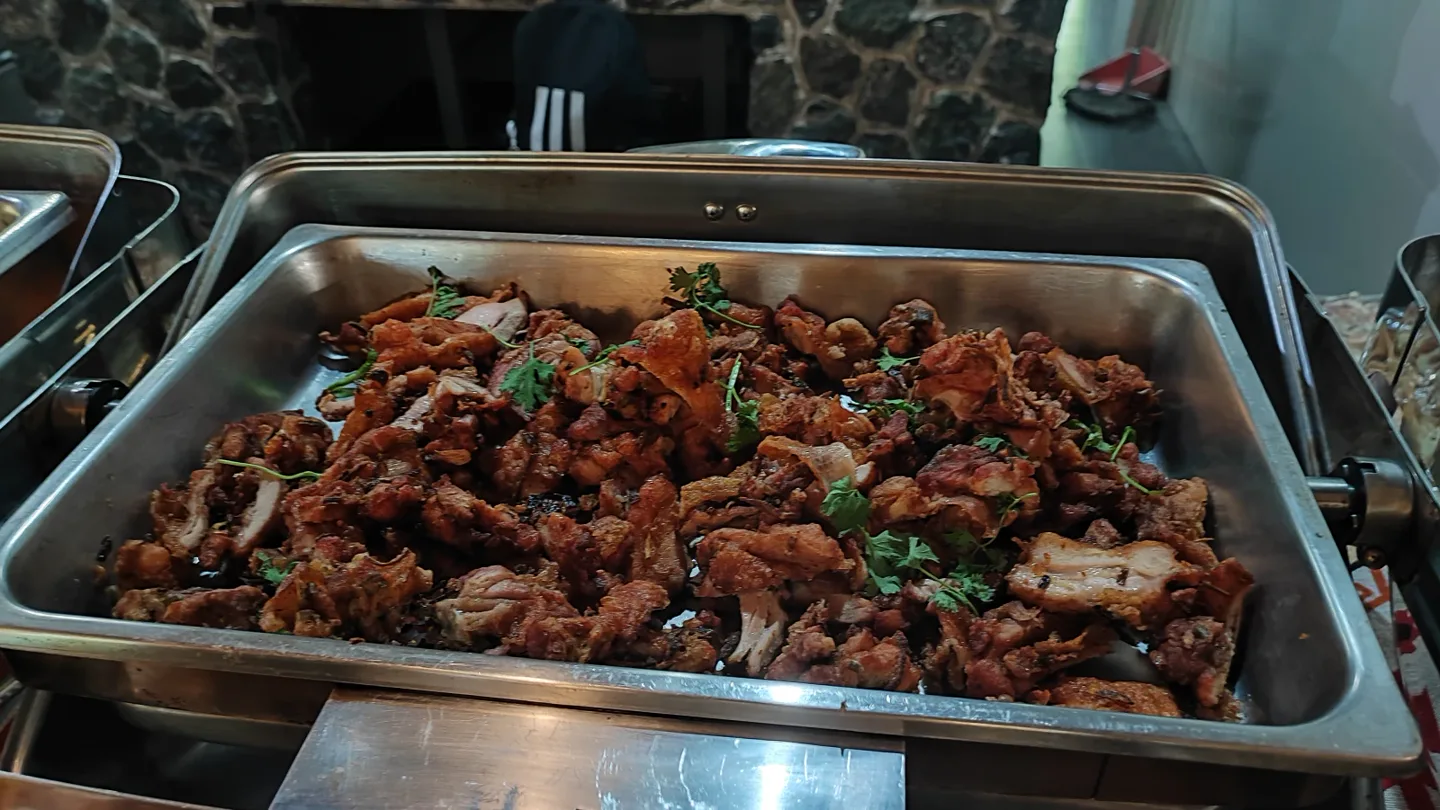
Occasionally, I have to eat elsewhere and if you have a look around this blog you will find a few of my regular places, they are usually when I spoil myself for a once a week or so, buffet dinner or lunch.
If I have someone to take out, usually I will take them to try a place I haven’t been to, to see if there are other Chiang Mai restaurants I can recommend. I will hit up Tripadvisor to choose. But most times I am dreaming of my “local".
Phone and Internet
I am running an AIS service. My current setup includes a 500mb/500mb fiber internet package at 398 baht per month and a phone plan with 80GB data and 5 hours of calls for 290 baht per month, totaling 688 baht per month.
This covers all my communication and internet needs. I also have acceptable Wifi internet included in my accommodation and don’t have excessive needs anyway.
Entertainment
Avoiding alcohol, tobacco, and coffee provides significant cost savings. Many venues in Chiang Mai are reasonably priced for entertainment and dining. Some establishments allow “BYO” (bring your own) beverages. While not officially encouraged, it’s common practice. Most venues will provide mixers for BYO drinks, sometimes with a modest charge. Regular customers often have their unopened bottles kept for future visits.
Coffee
Coffee culture is vibrant in Chiang Mai. The Chiang Mai Coffee Lover community is an excellent resource for recommendations. Chiang Mai has a massive number of coffee shops, with new ones opening regularly. Notable quality cafes include Akha Ama and Bay’s Cafe. Specialty coffee can add to your budget if you frequent premium venues daily, so consider setting a limit on coffee spending if it’s a regular expense.
Networking
Networking in Chiang Mai doesn’t require significant spending. The city’s diverse communities offer excellent opportunities for social engagement. As one of Southeast Asia’s Creative Cities, there’s always something happening. To stay informed about events, subscribe to the weekly email list by contacting charityrooftopparty@gmail.com, or join the Chiang Mai Events Facebook Group.
Extensive social and sporting activities are available through various communities. The Chiang Mai Basics page lists many options. Personal development opportunities are regularly led by groups like the Chiang Mai Digital Nomads.
Monthly Budget Breakdown (Baht)
Accommodation. average 4500 per month
Food & Living. 1000 per week
Internet & Phone. 688 per month
Fuel. 500 per month
Incidentals. 2000 per month
Insurance. 2500 per month
OUTSIDE OF BUDGET and not included above
Medical and Dental – not an everyday expense. Typical spending averages 2,000-3,000 baht per year for routine care. Major procedures (wisdom teeth removal, root canals) can run 5,000-15,000 baht depending on the provider.
Visas and Work Permits – approximately 17000 baht per year. 5000 government fees and 12000 suggested donations to my foundation.
Other long term visa options are around USD$1000-1500 per year and some good options are available at CMLOCALS – Free Visa Advice page.
The Comfortable Budget: Western Amenities
Not everyone wants to run the ultra-frugal 12,000 baht lifestyle above. For most Western expats, a more realistic comfortable budget in 2026 runs 25,000 to 40,000 THB per month. This covers:
- A one-bedroom condo in Nimman: 8,000 to 22,000 THB. In Santitham: 6,000 to 10,000 THB
- Air conditioning usage: add 2,000 to 4,000 THB to electricity bills in hot months
- Mix of local and Western food: 8,000 to 12,000 THB/month
- Motorbike transport: 1,000 to 1,500 THB total including fuel and maintenance
- Entertainment, coffee shops, coworking: 3,000 to 6,000 THB
- Gym: 500 to 1,500 THB per month
- Health insurance: variable, budget separately
At this level you eat at a mix of local restaurants and Western cafes, live in a modern condo with reliable hot water and good internet, and have money left over each month for trips, purchases, and occasional splurges.
Health Insurance
For anyone staying long-term in Chiang Mai, health insurance is not optional. A single serious injury or illness without coverage can eliminate months or years of savings. Budget for it separately from daily living costs. Local Thai health insurance plans are significantly cheaper than international health insurance — a Thai health insurance policy can run from 10,000 to 30,000 THB per year for a basic plan depending on age and coverage level.
What Destroys the Budget
Western alcohol is the most common budget destroyer. A bottle of imported spirits in a Nimman bar costs more than a full day's food budget at a local restaurant. Smoking is expensive relative to local food prices. Western restaurants in tourist areas charge 5 to 15 times the equivalent local food price. International streaming services, Western grocery stores, and frequent taxi use all add up faster than they seem to individually.
None of these things are wrong to spend money on. But they are the items where Chiang Mai's budget advantage disappears fastest if you import your Western lifestyle wholesale.
Frequently Asked Questions
What is a realistic monthly budget for living in Chiang Mai?
For a single person: minimum local lifestyle around 15,000 to 20,000 THB per month. Comfortable Western-amenity lifestyle 35,000 to 60,000 THB. The biggest variables are accommodation (3,500 to 30,000 THB depending on location and quality) and food (3,000 to 15,000 depending on whether you eat local or Western). Health insurance is additional and should not be excluded from budget planning.
How much does accommodation cost in Chiang Mai?
A basic room in an outer area runs 2,500 to 4,000 THB per month. A standard one-bedroom condo in Santitham or Hang Dong runs 7,000 to 12,000 THB. A modern one-bedroom in Nimman with gym and pool runs 8,000 to 22,000 THB. Furnished apartments are the norm. Utilities (electric, water) are billed separately and air conditioning use can add 2,000 to 4,000 THB per month in hot season.
How cheap is food in Chiang Mai?
Street food and local restaurant meals run 40 to 100 THB. A full day eating local food costs 150 to 250 THB. Western cafe meals run 150 to 400 THB. The range is extraordinary and the choice is yours. Living on local food makes Chiang Mai one of the cheapest places in the world to eat well. Eating like a tourist at Western restaurants every day costs considerably more but still less than equivalent dining in Australia or the UK.
Is Chiang Mai cheaper than Bangkok?
Generally yes. Accommodation in equivalent-quality locations is cheaper. Street food prices are similar. Entertainment spending is typically lower because Chiang Mai has fewer high-price venues. The main areas where Chiang Mai costs more than Bangkok are flights (fewer direct international routes, higher prices for the same destination) and some imported goods that are more available in Bangkok.
Do I need a car in Chiang Mai or is a motorbike sufficient?
A motorbike covers most daily needs for a single resident: food runs, co-working spaces, social events, airport trips. Families or people making large grocery runs find a car more practical. Car ownership adds significantly to monthly costs: insurance, registration, fuel, and parking. Most single expats in Chiang Mai use a motorbike plus Grab for trips where riding is inconvenient.
Guru Tip
Track your actual spending for the first 3 months rather than planning a budget before you know your real habits. Most newcomers either over-budget (assuming they will spend more) or under-budget (not accounting for the first-month setup costs: SIM card, motorbike deposit, household items, visa fees). Real spending data after 90 days gives you a budget that reflects how you actually live in Chiang Mai, not how you imagine you will live. Spreadsheet or a phone app, track every expense for 3 months and then set your budget.