Visa Exempt Entry (60 days until Sept 15, 2026, then 30)
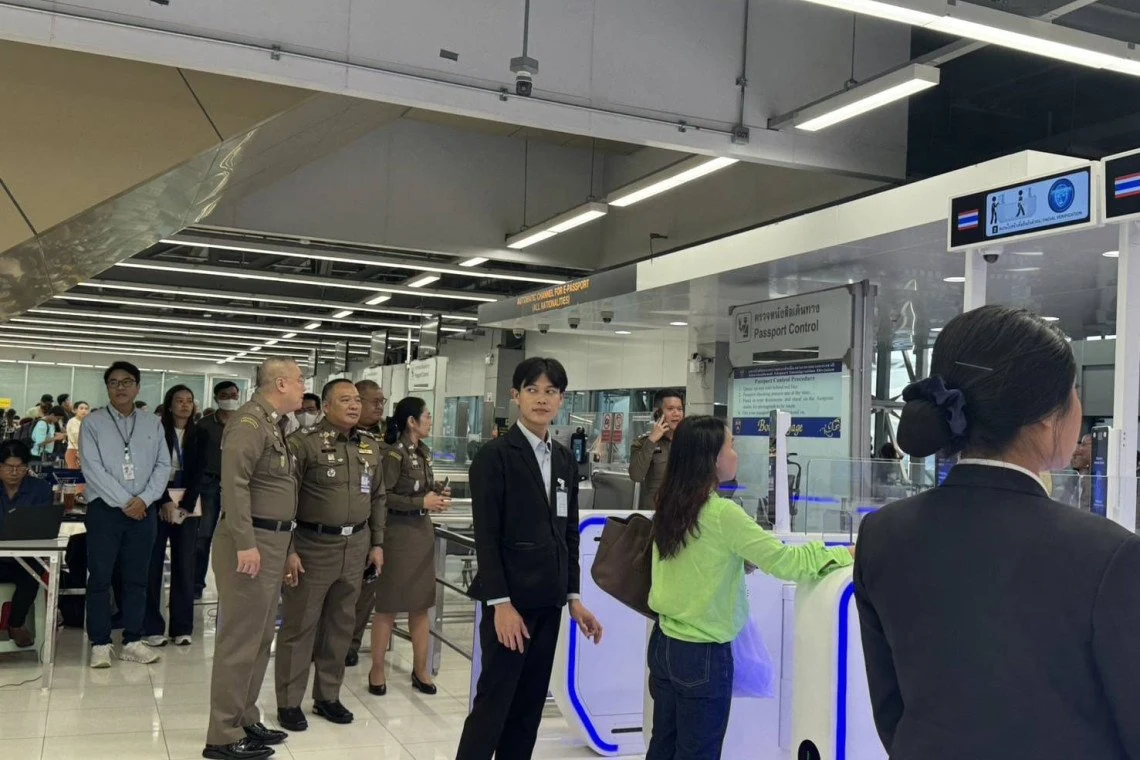
Most nationalities enter Thailand without a visa: 60 days for arrivals before September 15, 2026, confirmed to drop to 30 days (15 for Seychelles and Mauritius) from that date. This is not a visa. It is a stamp. You cannot renew it inside Thailand. You can extend it once at Promenada Immigration for 30 days (1,900 THB). After that, you need to leave and re-enter, or switch to a proper visa.
The terminology matters. You are not on a "tourist visa." You are on a visa exempt entry. You do not renew a visa inside Thailand, you apply for an extension of stay. If you leave to get another stamp, you are border-bouncing. If you go to a Thai consulate to buy a new visa, you are doing a visa run. These are different things and the distinction matters at Immigration.
See the full breakdown: Visa Exempt vs Visa on Arrival
Ready to apply? Full step-by-step guide, extension process, and current processing times at CMLocals: Visa Exempt Guide.
Tourist Visa (TR, 60 days)
A Tourist Visa is purchased at a Thai consulate before you arrive, or via the Thai e-Visa system online. It gives 60 days on arrival, extendable for 30 more days at Immigration (1,900 THB). Total: up to 90 days in Thailand.
Multiple-entry tourist visas (METV) allow 6 months of visits with each stay capped at 60 days. Good for people who want flexibility without committing to a longer visa category. Not ideal if you plan to stay more than 3 months continuously.
See more: Tourist Visa overview
Ready to apply? Full step-by-step guide, consulate list, and e-Visa instructions at CMLocals: Tourist Visa Guide.
DTV Visa (Destination Thailand Visa, 180 days)
Launched in 2024, the DTV is Thailand's answer to the digital nomad visa. One 180-day entry per use, with multiple entries allowed on the same visa over 5 years. No work permit needed for income earned outside Thailand.
Requirements: proof of remote work or freelance income, and either 500,000 THB in savings or equivalent monthly income. Cost: 10,000 THB. Apply online via the official Thai e-Visa portal. Best option for location-independent workers who want flexibility without the annual reporting obligations of an ED or retirement visa.
Two extra documents are now compulsory nationwide: proof of citizenship or permanent residence in the country you're applying from, and a police clearance certificate issued within the last six months. Applicants generally now need to apply from home rather than a convenient third country.
See more: DTV Visa overview
Ready to apply? Full application walkthrough, document checklist, and current processing times at CMLocals: DTV Visa Guide.
ED Visa (Education, up to 1 year)
The ED Visa covers genuine study at a Ministry of Education-registered institution. Thai language, Muay Thai, martial arts, and yoga all qualify if the school is properly registered. You get 90 days initially, extendable for 90 more at Immigration while enrolled. Total: up to 1 year per enrolment.
The school handles your paperwork. You show up, study, and report to Airport Road Immigration every 90 days. Choose your school carefully. Some are visa mills with no real curriculum. A reputable school will ask about your genuine study goals.
See more: ED Visa overview | Thai Language | Muay Thai
Ready to apply? School recommendations, document checklist, and extension process at CMLocals: ED Visa Guide.
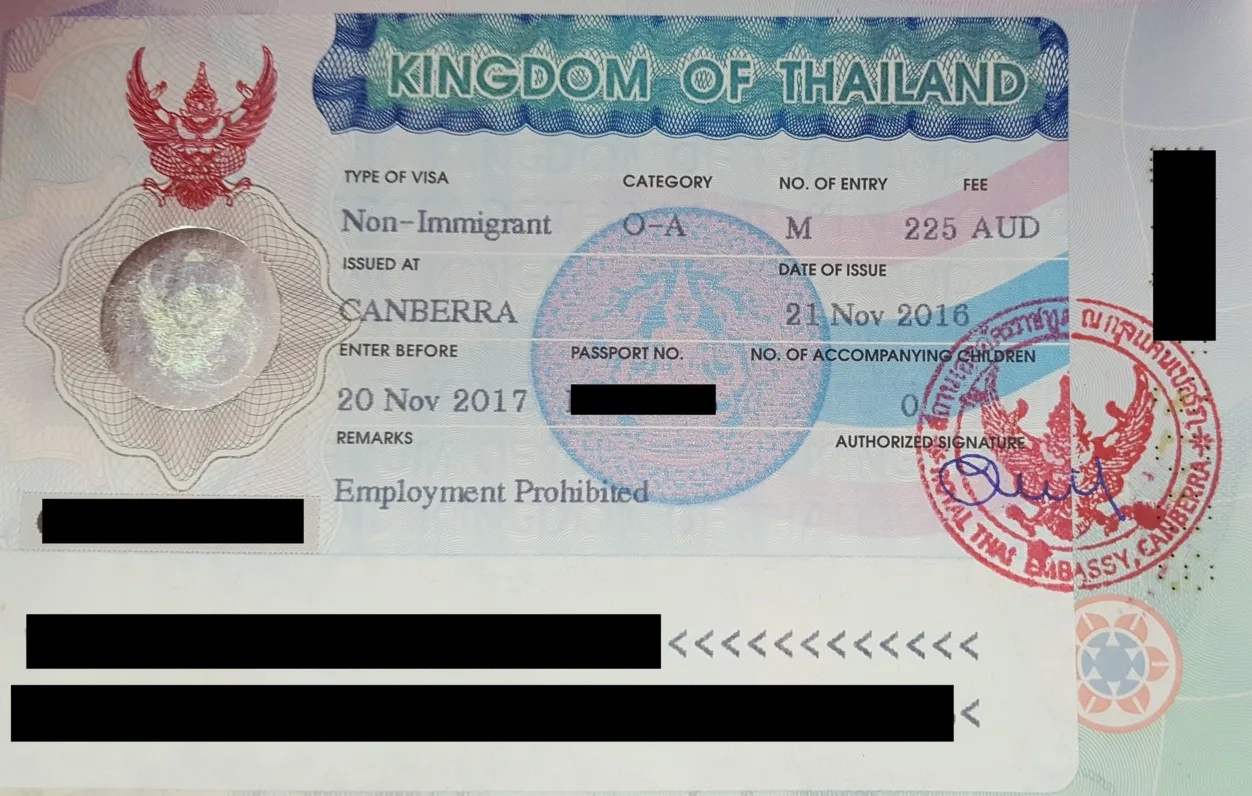
Retirement Visa (OA / OX, age 50+)
Available to anyone 50 or older. The OA requires either 800,000 THB seasoned in a Thai bank account or proof of monthly pension/income of 65,000 THB. Annual renewal at Promenada Immigration. You must report your address every 90 days.
The OX is a 10-year long-stay version with higher financial requirements. The Retirement Visa is the most administratively stable option for long-term residents who qualify by age and finances.
See more: Retirement Visa overview
Ready to apply? Full requirements, bank seasoning rules, and renewal process at CMLocals: Retirement Visa Guide.
Marriage Visa (Non-Immigrant O)
For foreign nationals legally married to a Thai citizen. Gives 1 year stay, renewable annually at Promenada Immigration. Financial requirement: 400,000 THB in a Thai bank account or monthly income of 40,000 THB. You must report your address every 90 days.
The most administratively straightforward long-term option if you qualify. Less financial burden than Retirement, no study commitment like ED, no income proof requirement like DTV.
See more: Marriage Visa overview
Ready to apply? Full requirements, marriage documentation, and renewal process at CMLocals: Marriage Visa Guide.
LTR Visa (Long-Term Resident, 10 years)
Thailand's premium visa for wealthy retirees, high-earning remote workers, and highly skilled professionals. Four categories: Wealthy Global Citizen (1M USD in assets), Wealthy Pensioner (80,000 USD/year), Work-From-Thailand Professional (40,000 USD/year), and Highly Skilled Professional (BOI-approved industries).
Benefits include exemption from 90-day reporting and a 17% flat income tax rate on Thai-source income. If you qualify, it is the smoothest long-term option available.
See more: LTR Visa overview
Ready to apply? Eligibility criteria, application process, and benefits breakdown at CMLocals: LTR Visa Guide.
Frequently Asked Questions
What is the best long-stay visa for living in Chiang Mai in 2026?
It depends on your situation. The DTV (Destination Thailand Visa) is the most accessible new option for digital nomads and remote workers: 5-year validity, multiple entry, requires 500,000 THB savings proof. The Non-Immigrant O-A (Retirement) remains standard for those 50+. The LTR Wealthy Pensioner visa suits those with qualifying pension or investment income. Each has trade-offs. Use this site's visa guides and verify current requirements with Thai Immigration before applying.
What is the DTV visa and who qualifies?
The Destination Thailand Visa (DTV) is a 5-year multiple-entry visa introduced by Thailand to attract remote workers and digital nomads. Each stay is up to 180 days. Requirements as of 2026 include 500,000 THB (approximately 20,000 AUD) in savings, proof of health insurance, and a qualifying purpose (remote work, education, or soft power activities like muay thai or cooking). It does not permit working for Thai employers.
Where is the Chiang Mai Immigration Office in 2026?
The Chiang Mai Immigration office is located at 71 M.3 Airport Road (Suthep Road direction). It is NOT at the Promenada complex where it was previously located. Always confirm the current address before visiting as the office has moved previously and instructions online may be outdated. The immigration office handles 90-day reporting, visa extensions, and TM30 notifications.
Do I need to do 90-day reporting in Chiang Mai?
Yes, if you are on a long-stay visa (Non-Immigrant categories, LTR, DTV). Every 90 days you must report your current address to Thai Immigration. This can be done in person at the Chiang Mai Immigration office, by post, or online via the immigration.go.th website. The online option has a 15-day window before and after the due date. Missing the deadline attracts a fine of 2,000 THB.
Can I just keep doing visa exemption stamp runs in Thailand?
Technically yes, but Thai Immigration has increasingly scrutinised frequent border runs. There is no fixed rule on how many times you can enter on visa exemption, but officers can deny entry if they believe you are living in Thailand without a proper long-stay visa. For visits under 30 days, visa exemption is fine. For long-term residence, a proper visa is the appropriate route.
Guru Tip
Join the Chiang Mai Expats Club Facebook group and search for current visa advice before doing anything at the immigration office. The Thai visa rules change regularly and what was accurate six months ago may not be accurate today. The group has thousands of members who have been through recent visa processes and can tell you what is actually happening at the Chiang Mai office right now, which is often different from what the official websites say. Real-time community intelligence beats government websites and old blog posts for Thai visa information.