The honest version of this answer
I spent seven years in Santitham and the last six in Chang Klan. I have watched hundreds of people ask this exact question, make the move, and then either settle in properly or quietly disappear back home after three months. The difference is rarely the city. It is almost always preparation.
Chiang Mai is not perfect. March and April air quality is genuinely bad. The roads follow no logic a Western driver would recognise. Long-term visa options require ongoing admin that never fully goes away. Specialist medical care above the GP level means a flight to Bangkok.
None of that has stopped people from staying for years. The pace is slower without being provincial. The food is excellent at prices that feel illegal compared to home. The cost of living lets you actually live, not just survive. And the Thai people of Chiang Mai, the northern Lanna culture specifically, are warm in a way that does not wear off with familiarity.
Which neighbourhood are you actually moving to?
This question matters more than most people realise. Chiang Mai is not one place. Where you land shapes your entire experience.
| District | Character | 1-bed rent (2026) |
|---|---|---|
| Nimman / Santitham | Digital nomad, cafes, walkable, busy | 12,000-22,000 THB/month |
| Old City (Mueang) | Temples, culture, backpacker energy, tourist prices | 10,000-18,000 THB/month |
| Hang Dong / Mae Hia | Families, international schools, space, quiet | 25,000-45,000 THB/month (3-bed house) |
| Mae Rim / San Sai | Retiree-friendly, low density, green | 15,000-30,000 THB/month |
| Jed Yod / Outer Ring | Local, authentic, cheap, no tourist markup | 8,000-14,000 THB/month |
Most people who move here without a plan end up in Nimman because it is easy to find and familiar. That is fine. But if you have kids, look at Hang Dong first. If you want quiet retirement, Mae Rim. If you want cheap and local, Jed Yod will serve you better than anywhere near the Moat.
What a real monthly budget looks like
Numbers vary wildly depending on your habits. Here is an honest breakdown for one person living comfortably in 2026, not extravagantly, not cutting corners.
| Category | THB/month | AUD/month (approx) |
|---|---|---|
| Condo (Nimman/Santitham, 1-bed) | 14,000-18,000 | 620-790 |
| Food (local meals + occasional Western) | 8,000-12,000 | 350-530 |
| Transport (motorbike or Grab) | 3,000-5,000 | 130-220 |
| Health insurance (expat policy) | 3,000-6,000 | 130-265 |
| Utilities + internet + phone | 2,500-4,000 | 110-175 |
| Entertainment + lifestyle | 5,000-10,000 | 220-440 |
| Total | 35,500-55,000 | 1,560-2,420 |
For a full breakdown by category, the cost of living page goes deeper. The short version: your money goes roughly two to three times further here than in Australia or the UK, without sacrificing much that actually matters to daily quality of life.
The weather: four seasons, not two
Most articles describe Chiang Mai weather as "tropical." That is technically accurate and practically useless. The city sits at 310 metres elevation in a valley. It has four distinct seasons and you need to know all of them before committing.
Cool season (November-February): The reason everyone wants to be here. 20-28 degrees Celsius, low humidity, clear skies. One cold week in December or January where overnight temperatures drop to 10-15 degrees. Bring a light jacket. This is peak season and prices for accommodation reflect it.
Hot season (March-May): The valley heats up fast. March and April are also smoky season. Agricultural burning across the region pushes PM2.5 levels into ranges that are genuinely unhealthy. Some long-term residents leave for these six to eight weeks. Others stay and mask up. If you have asthma, respiratory issues, or young children, plan around this. Read the smoky season guide before making your decision.
Rainy season (June-October): Temperatures hold steady in the low to mid-30s. Rain comes most afternoons, usually clears by evening. The city turns green, the Ping River fills up, and the tourist crowds thin significantly. Most long-term residents prefer this period. Prices drop. The city feels more like itself.
Shoulder (October-November): Transition month. Yi Peng lantern festival falls here, usually November. If you are arriving around this period, book accommodation early and read the Yi Peng logistics guide before assuming you will just find a place to watch.
Visas: the part people underestimate
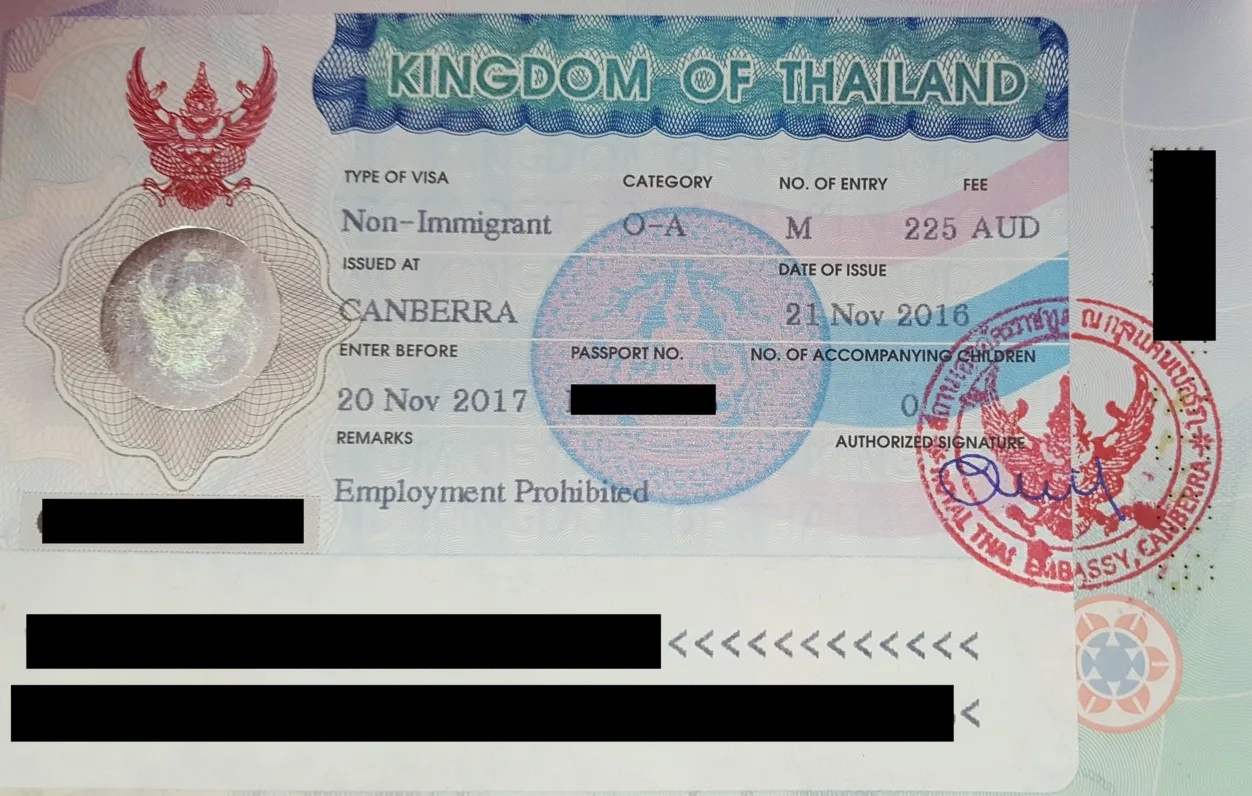
Thailand does not offer permanent residency through straightforward means. Long-term living requires a visa strategy, not a one-time decision. As of 2026, the main options for long-stay expats are:
- DTV (Destination Thailand Visa): 5-year validity, 180-day stays. Requires 500,000 THB (~22,000 AUD) in savings proof. Remote workers and digital nomads use this most.
- Non-OA Retirement Visa: For 50+. Requires 800,000 THB (~35,000 AUD) in a Thai bank account. Annual renewal. Most retirees use this.
- LTR Visa (Long-Term Resident): Premium option for higher-income retirees and remote workers. More stable, fewer renewals.
- ED Visa: For language students and certain training programs. Requires genuine enrolment.
If retirement is the plan, my free Ultimate Chiang Mai Retirement Guide goes further than this page can, no email required.
Every visa type requires 90-day reporting to immigration. This can be done online via immigration.go.th or in person at the CM Immigration Office on Airport Road (71 M.3 Suthep, as of 2026, not Promenada). Online reporting has a 15-day window either side of the due date. Miss it and you pay a 2,000 THB fine. Always verify current rules before acting on any visa information, including this.
The visa hub covers all current options in detail.
The friction points nobody mentions up front
The first 90 days are the hardest. Before you know which mechanic is honest, which hospital is worth the price premium, which visa agent is reliable, and which neighbourhood you actually belong in, everything takes longer and costs more than it should. This is the window where people give up. Not because Chiang Mai is bad, but because they hit friction without a map for it.
Healthcare has a ceiling. Day-to-day care is genuinely good. Bangkok Hospital Chiang Mai and Chiang Mai Ram are solid. For anything complex or specialist, you are on a plane to Bangkok. Factor that into your insurance planning from the start.
Farang pricing is real. Markets, tuk-tuks, some tourist-facing businesses will quote you a different price to what a local pays. It is not universal and it is rarely worth fighting, but be aware of it. Use Grab or Bolt for transport to get fixed prices. Eat where locals eat to pay local prices.
If you are serious about making the move
The difference between a good landing and a rocky one is almost always information and preparation. Knowing which neighbourhood suits you before you sign a lease. Sorting your visa before you book the flight. Having a number to call when something goes wrong in week two.
The Chiang Mai Arrival Program covers the practical side: airport pickup, orientation, neighbourhood matching, and introductions to the people and places that make the first month work. The Guru Consultation goes deeper: visa strategy, housing, financial setup, and the questions that do not have easy Google answers.
Neither is essential. Plenty of people land and figure it out. But after 16 years of watching arrivals, the pattern is consistent. The ones who do their groundwork settle in faster, waste less money, and stay longer.
Should you move to Chiang Mai?
If lifestyle matters more than postcode, if you want your money to actually stretch, if you can handle ongoing visa admin as the price of admission, and if you are prepared to put in effort during the first 90 days, yes. The city will return the investment. Most people who ask seriously end up saying yes. The ones who do not are usually held back by uncertainty about the practicalities, not the place itself.
Frequently Asked Questions
What is it really like to live in Chiang Mai long-term?
Genuinely good quality of life if you adapt to the city rather than trying to replicate a Western lifestyle. The weather, cost of living, food, community, and access to nature are the consistent positives. The smoky season (February to April), road safety, bureaucratic processes for visa and permits, and the distance from family in your home country are the consistent challenges. Most long-term residents stay because the positives outweigh the challenges significantly.
How long does it take to settle into Chiang Mai?
Most people feel settled within 2 to 3 months. The first month is discovery. The second month is establishing routines. By the third month you have a regular restaurant, a preferred neighbourhood, a known route, and a sense of what the city is. The expat community in Chiang Mai is unusually open to newcomers, which accelerates the settling-in process compared to many other cities.
Is Chiang Mai good for families with children?
Yes. The Hang Dong and Mae Hia areas south of the city have the best access to international schools and more spacious family housing. Chiang Mai has multiple international schools (CMIS, Prem Tinsulanonda, Nong Bua) at various price points. The city is generally safe, outdoor activities are accessible, and the cost of living for a family is dramatically lower than equivalent schooling and housing in Western cities.
Is Chiang Mai good for digital nomads?
One of the best cities in the world for it. Fast fibre internet is widely available. Co-working spaces are numerous and affordable. Coffee shops with good WiFi exist on almost every block in the Nimman area. The cost of living is low, the food is excellent, the community is substantial, and the DTV visa now provides a legal long-stay structure for remote workers, see CMLocals' DTV visa guide for the requirements. The main drawback is smoky season for 6 to 8 weeks of the year.
Can I buy property in Chiang Mai as a foreigner?
Foreigners cannot own land in Thailand. Condo ownership within the 49% foreign quota is legal and possible. Long-term leasehold (30-year with option to extend) is used for houses and landed property. Most long-term expats rent rather than buying, given visa uncertainty and the relatively low cost of quality rentals compared to purchase prices. For serious property investment, a local legal adviser is essential before committing.
Guru Tip
Do not commit to a neighbourhood before spending time in it. The difference between Nimman (trendy, expensive, young), Santitham (local, affordable, community feel), Old City (temples, backpacker, atmospheric but noisy), and Hang Dong (spacious, family-friendly, quiet) is significant for day-to-day quality of life. Spend a week each in the areas you are considering before signing a lease. The rental market moves quickly and good options appear regularly, so you will not miss out by taking the time to choose correctly.