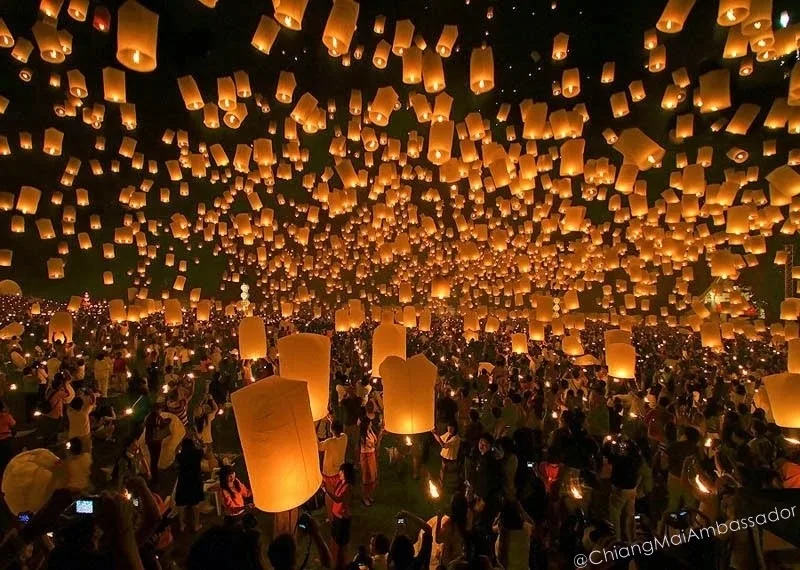
The Heart of Chiang Mai's Soul
Old City is where Chiang Mai lives. Historic temples, bustling markets, local restaurants, and Thai families define this neighborhood. It's not the expat playground Nimman is, but it's more authentic and deeply rooted in Thai culture. Perfect for those seeking connection with local life.
The Vibe: Ancient History Meets Modern Life
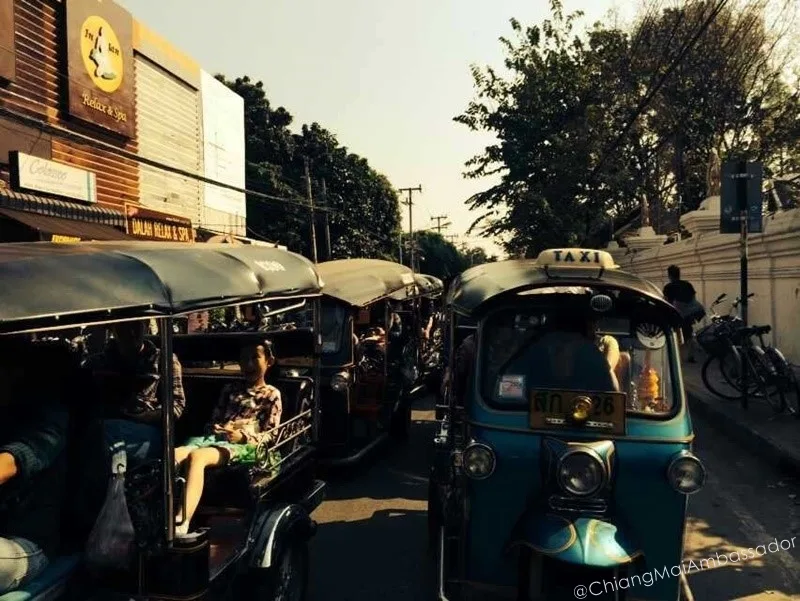
Old City is defined by the old city walls and moat that surround it. Within these boundaries are hundreds of temples, narrow sois (alleys), local markets, and residential communities. Walking through Old City, you'll hear Thai spoken more than English. You'll see monks in saffron robes, hear temple bells, and smell incense.
This is Chiang Mai's cultural centre. It's slower, quieter, and more rooted in tradition than Nimman. If you want to understand Thai culture and build relationships with Thai people, Old City offers that. The expat community exists here, but it's smaller and less visible than in Nimman.
Housing and Rental Costs
Studio apartment: 5,000-8,000 THB/month. Basic but functional. Usually unfurnished or semi-furnished.
1-bedroom apartment: 7,000-11,000 THB/month. Standard for expats. Often includes furniture, AC, wifi.
2-bedroom condo: 11,000-18,000 THB/month. More spacious. Popular with families and long-term residents.
Rent is lower than Nimman. Finding housing requires more effort. Walk the sois and look for "For Rent" signs. Ask locals. Facebook groups are slower moving here, but still useful. Many landlords speak limited English.
Temples and Spiritual Life
Old City has over 30 temples within the city walls. Wat Chedi Luang, Wat Phra Singh, and Wat Chiang Man are major landmarks. These are not tourist attractions but active spiritual and community centres. Monks chant at dawn. Locals make daily merit-making offerings.
Living in Old City means living alongside this spiritual rhythm. You'll wake to temple bells and chants. You'll see processions and ceremonies throughout the year. It's integral to daily life, not something separate.
Markets and Food Culture
Warorot Market (Kad Luang) is Old City's beating heart. It's not a tourist market but a real wholesale and retail market where locals buy vegetables, meat, herbs, and goods. Street food is excellent: boat noodles, khao soi, satay, fresh juice stalls.
Eating in Old City costs 30-80 THB for local Thai food. No Western restaurants needed or wanted. This is where you eat what Thais eat, with Thais, and build food relationships and habits.
Daily Life and Integration
Pros: Authentic Thai experience, lower costs, spiritual atmosphere, strong community feel, central location, less touristy, genuine friendships with locals possible.
Cons: Smaller expat community (less ready-made social scene), language barrier higher, slower internet in some areas, less Western amenities, noisier during festivals and ceremonies.
Key Takeaways
Old City is for those serious about Thai integration. It's cheaper, more authentic, and culturally richer than Nimman. You won't have an instant expat social scene, but you'll have real relationships with Thai people. If your goal is to live in Thailand, not in a Western bubble, Old City is the right choice. It rewards patience and cultural respect.
Frequently Asked Questions
Is the Old City a good place to live long-term in Chiang Mai?
Yes, especially for those who want genuine integration into Thai life. The area has temples, local markets, Thai restaurants, and a quieter residential pace behind the main tourist streets. It is not as infrastructure-rich as Nimman but has real character.
What does rent cost in the Old City?
One-bedroom apartments typically 7,000 to 11,000 baht/month. Some older Thai-style houses available at lower prices but with less modern amenities. The Old City does not have a lot of new condo development, so options are more varied in quality.
Is the Old City touristy or local?
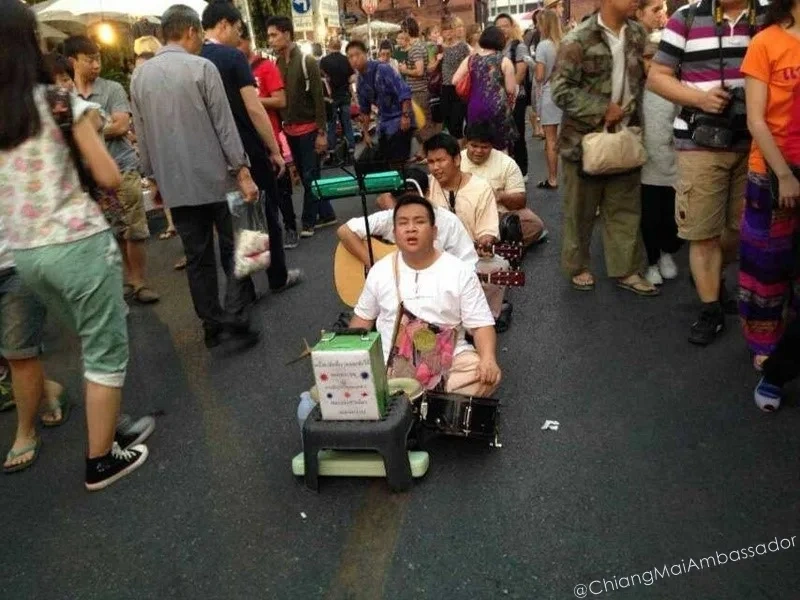
Both. The main streets around the moat and walking street are tourist-facing. One soi back from those streets and it becomes a very local Thai neighbourhood with temple monks, market vendors, and families who have lived there for generations.
What are the best local food options in the Old City?
The Saturday and Sunday Walking Streets are famous but the daily local options are better value: rice and curry shops, noodle stalls, and the small vendors near the temple gates. Meals from 30 to 80 baht are common.
How walkable is the Old City?
Very. The square moat defines the boundary and most of the area inside is walkable in 20 to 30 minutes end to end. A bicycle covers the whole district easily. This is the most walkable neighbourhood in Chiang Mai.
Guru Tip
The Old City is best discovered on foot, early in the morning. Before 8 AM the tourist shops are closed, the monks are doing their alms rounds, and the local markets are at their busiest. That one hour reveals more of real Chiang Mai than a week of afternoon walks along the moat.