These are the practical tips that take most newcomers several months to learn on their own. Whether you are arriving for a two-week visit or setting up for the long term, the points below cover the things that genuinely matter: safety, money, culture, food, health, and how to not make the avoidable mistakes that cost time, money, or worse.
Road Safety: The First and Most Important Tip
Cross the road by looking at the actual traffic, not the light. Green pedestrian lights in Chiang Mai do not mean cars will stop. Thai drivers do not give priority to pedestrians at crossings. Watch for gaps in traffic and make eye contact with approaching drivers before stepping off the kerb.
Motorbikes especially move fast and filter through gaps in traffic. They are often in your blind spot at crossings. Watch every lane, including the kerb lane, before stepping out. This is not an exaggeration: the habit of trusting pedestrian lights has caused serious injury to newcomers in Chiang Mai.
If you ride a motorbike: wear a helmet always. Do not learn to ride in Chiang Mai if you have no motorcycle experience. Local traffic is unpredictable and there are too many distractions. Get comfortable on a bike in a quieter environment first.
Insurance: What You Actually Need
Buy travel insurance before leaving home, not after arriving in Thailand. Medical costs at private hospitals can reach 100,000 THB or more for serious incidents. The policy must specifically cover motorcycle use if you plan to ride a scooter. Most standard travel policies exclude motorcycles. Check the exclusions section before purchasing.
For emergencies: Bangkok Hospital Chiang Mai and Chiang Mai Ram are the best-equipped private hospitals. If you have no insurance, Maharaj Nakhon Chiang Mai Hospital (Suan Dok) offers government pricing. For absolute emergencies after hours, the CMU emergency room at Suan Dok has the most comprehensive ER in Northern Thailand.
Legal: Drugs and Work Permits
Never get involved with drugs in Thailand. Enforcement is aggressive and laws are strict. Small amounts, a positive test result, or being in the presence of drugs can mean serious consequences including jail, fines, and permanent re-entry bans. This is not a grey area.
If you plan to work in Thailand, you need a Non-Immigrant B visa obtained before arriving, plus a separate work permit after arrival. Working without both documents is illegal. Fines exceed 100,000 THB plus deportation and re-entry restrictions. Your employer must sponsor both. There are no shortcuts.
Accommodation and Booking
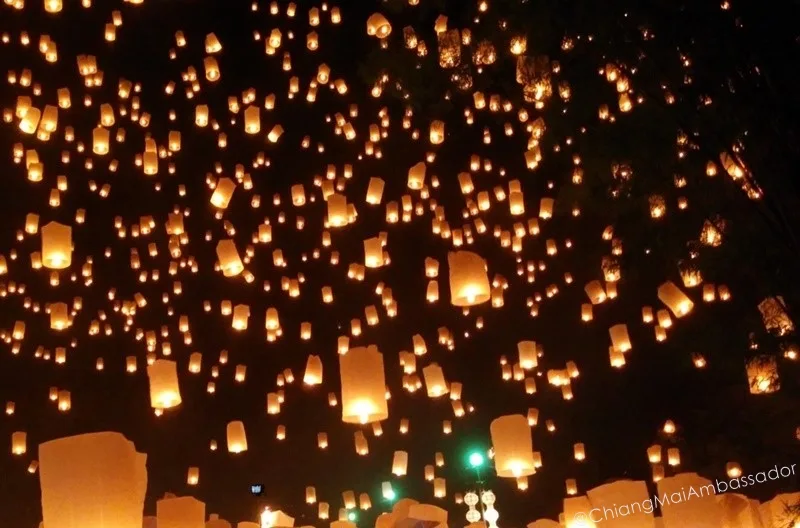
For short trips during festival season (Songkran in April, Yi Peng in November), book well in advance. Hotels fill up and prices spike significantly. For long-term stays, booking in advance is generally not possible or advisable. Arrive, spend a week in short-term accommodation, explore the neighbourhoods, and then choose your longer rental once you know what you want. The rental market moves quickly and good deals come and go fast.
Food and Markets
Find restaurants frequented by older Thai locals. Longevity of a restaurant in Thailand means consistent quality at honest prices. If the only customers are tourists, the prices have been adjusted accordingly.
For fresh produce at the lowest prices, Muang Mai Market near the US consulate is the wholesale fresh market for the city. It operates in the early morning and carries produce, fruit, and ingredients at local prices rather than tourist-market prices.
Culture and Social Behaviour
Speak quietly. Northern Thai people are especially attuned to tone and volume. Loud, aggressive speech shuts conversations down. Calm and quiet speech opens doors.
Never lose your temper in public. Anger achieves nothing in Thailand. It makes you look bad and creates resistance from the person you are trying to deal with. Calm, respectful communication gets problems resolved. Yelling does not.
Learn "Mai pen rai" (ไม่เป็นไร): it means "never mind" or "it's fine." Use it regularly. It signals that you understand the local pace and are not going to get wound up over small things. It is the most useful phrase in your vocabulary for day-to-day interactions.
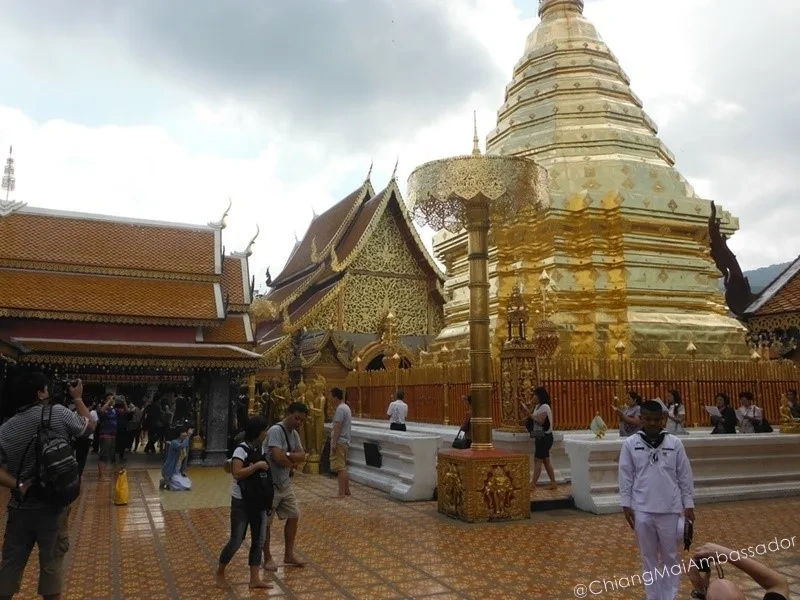
Dress modestly in public spaces and especially at temples. Shoulders and knees should be covered at religious sites. When in doubt, observe how Thai women dress in the same environment. This applies most strongly at wats, government offices, and rural areas.
Smile. A genuine smile and polite demeanour creates goodwill with everyone you interact with. Taxi drivers, market vendors, hotel staff. The service experience in Chiang Mai for people who are polite is noticeably better than for people who are not.
Walking the City
Walk more than you think you need to. Chiang Mai reveals itself on foot. The side streets and alleys between the main roads hide small cafes, temple courtyards, workshops, and neighbourhood markets that you will never find from a taxi or songthaew. Put on sturdy shoes and give yourself time to wander without a destination.
Use Google Maps' satellite view to spot alleys and cut-throughs that do not show up on the standard map view. The Old City especially has a dense network of soi that only become apparent when you walk them.
Pace and Mindset
Chiang Mai runs on its own schedule. Buses run late. Appointments start late. Things take longer than expected. Fighting this is exhausting and pointless. Relax your schedule and your sense of how long things should take. The city rewards patience and punishes urgency.
Talk to experienced expats who have been in the city for years. They have made the common mistakes and can save you the time and money of repeating them. The expat community in Chiang Mai is generally generous with practical advice. Ask in the Chiang Mai Expats Club Facebook group. Most of your specific questions have been asked and answered there before.
Key Takeaways
Key Takeaways
- Cross roads by watching traffic, not lights. Pedestrians have no right of way in practice.
- Confirm your travel insurance covers motorbike use before you ride anything.
- Zero drug involvement. No exceptions. The consequences are serious and enforced.
- Work legally: Non-B visa plus work permit. No shortcuts.
- Calm, polite, quiet: the social operating system of Northern Thailand. Use it.
Frequently Asked Questions
Is Chiang Mai safe for tourists?
Yes, with realistic awareness. Violent crime against tourists is rare. The main practical risks are road accidents (especially motorbike), petty theft in crowded areas, and scam schemes targeting newcomers. Being alert on roads and not carrying large amounts of cash covers most of the risk profile for a visitor to Chiang Mai.
What is the most important thing to know before arriving in Chiang Mai?
Road safety. Cars and motorbikes do not yield to pedestrians. Green pedestrian lights are advisory. Always watch the actual traffic before stepping off a kerb. This is the single adjustment that prevents most avoidable injuries for newcomers in Chiang Mai.
Do I need cash in Chiang Mai or is card payment common?
Both. Major restaurants, hotels, malls, and Grab use card payment. Street food, local markets, small shops, temple entry, motorbike parking, and most independent businesses are cash only. Carry 1,000 to 2,000 THB daily for everyday spending. ATMs are widely available throughout the city. International ATM fees apply; check your bank's policy.
What Thai phrases should I learn before arriving in Chiang Mai?
Sawasdee krub/kha (hello, male/female speaker), Khob khun krub/kha (thank you), Mai pen rai (never mind, no problem), Phet nit noi (a little spicy), Phoot Thai mai dai (I cannot speak Thai), and the numbers 1 to 10 in Thai. These cover most basic interactions. Chiang Mai also has its own Lanna dialect for certain terms, but standard Thai is understood everywhere.
What is the best time of year to visit Chiang Mai?
November to February is considered peak season: cool weather (15 to 25 degrees C), low humidity, and the Yi Peng festival in November. March to May is smoky season with variable PM2.5 air quality, often severe in March and April. June to October is rainy season with green landscapes and fewer tourists. Each season has trade-offs. The cool season is the most comfortable for outdoor exploration.
Guru Tip
In your first week in Chiang Mai, spend one morning at Muang Mai market at 6am, one afternoon walking the Old City moat road, and one evening at the Sunday Walking Street. These three experiences give you a ground-level read on the city that no amount of research produces. You will understand the pace, the food culture, and the social texture of the place in a way that frames everything else you do here. Do them before you do anything else.