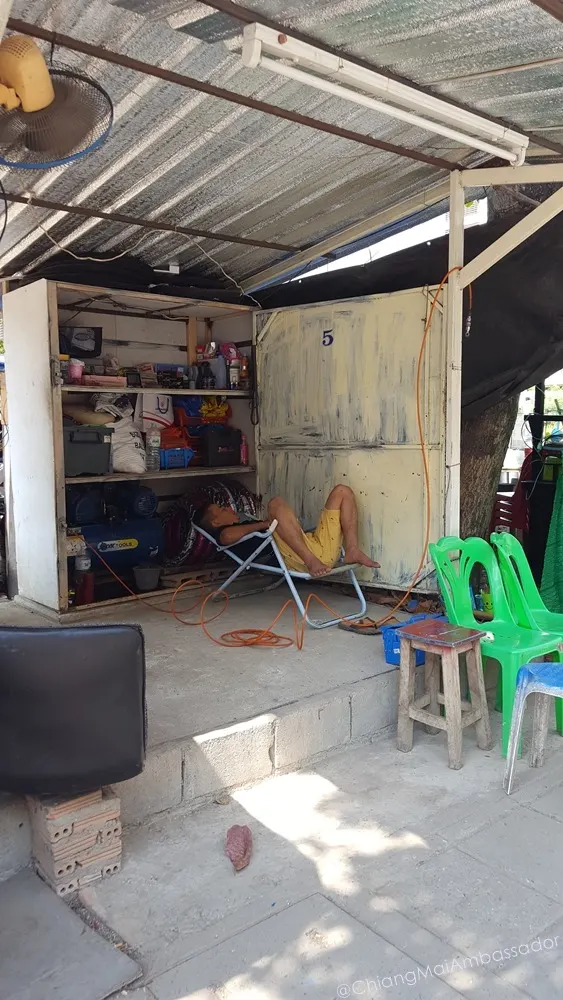
Prevention First: 70% of accidents come from carelessness. The best way to avoid accidents is to be careful and aware at all times when driving.
Why This Guide Matters in Chiang Mai
Chiang Mai has a genuine road safety problem. The province consistently records some of the highest accident rates in Thailand, and the majority involve motorcycles. The combination of uneven enforcement, unfamiliar road behaviour, wet-season conditions, and tourists renting bikes on an international licence (or sometimes no licence at all) creates risk that experienced drivers anywhere else might not expect.
If you are riding or driving in Chiang Mai, understanding what happens after an accident is not morbid preparation. It is basic literacy for life here. The steps below were written by a Thai lawyer and apply across Thailand, but the context notes are specific to Chiang Mai and Northern Thailand.
Before getting to the post-accident steps, two things worth knowing: first, having a valid Thai licence matters. If you are on a foreign licence or an international driving permit, your insurance position changes. The Chiang Mai driving licence guide covers the conversion process. Second, motorbike rental insurance in Thailand is often compulsory third-party only. It covers the other person. It does not cover you. Comprehensive insurance is worth the additional cost. The Chiang Mai insurance guide explains what types are available and what to look for in a policy.
1. Stop the Vehicle
Stop your vehicle immediately. DO NOT move your vehicle, no matter how minor the accident may appear. You must wait until the police arrive at the scene to draw position lines and collect evidence.
If the accident happens in a deserted area, record the other vehicle's details: brand, model type, license plate number, colour, and any identifying marks. Then drive (if possible) to the nearest community to find the nearest police station or police box to notify authorities of the accident.
Safety Warning: In deserted areas, vehicle owners have been harmed or robbed after accidents. Get to safety and notify police immediately.
2. Do Not Apologize Nor Accuse
If you are uncertain about fault in the accident, do NOT apologize. Your apology can be used as an admission of guilt against you. Similarly, DO NOT accuse the other driver.
You are not sure who is at fault, and your accusation may worsen the situation. Remember that you do not have the authority to determine fault, even if you believe you are right. You may discover later that you were mistaken.
3. Provide Information
Give the other driver and/or police necessary information about yourself, including:
- Your name
- Your address
- Your vehicle's license plate number
- Name and details of your insurance company
4. Getting the Other Driver's Information
After providing your information, request the other driver's details. If they refuse to provide information, write down or photograph their appearance and vehicle license number.
Important: DO NOT seize the other driver's identification card or passport. Doing so can result in criminal charges for burglary against you.
5. Notify the Police
You should notify police of the accident even if it is minor or the other driver admits fault. If you do not report it and the other driver later files a complaint against you, the police may presume you fled the scene and will hold you at fault.
If police do not come to the scene, you should write a statement describing the accident and sign it with the other driver. DO NOT rely on the other driver's assurances that you do not need to notify police.
Critical: Without a police report, you have no proper evidence if the other driver later refuses to pay compensation. Police documentation is your protection.
6. Looking for Witnesses
Search for any person who was nearby during the accident. If someone agrees to be your witness, obtain their:
- Name
- Address
- Telephone number
Witness statements provide valuable evidence and strengthen your position.
7. Go to the Hospital
If you are unsure whether you are injured, visit a doctor for examination. Medical documentation serves as evidence for injury claims against the other driver. Some injuries develop symptoms over time and may not be immediately apparent.
In Chiang Mai, the main private hospitals are Chiang Mai Ram (on Boonruangrit Road) and Bangkok Hospital Chiang Mai (on Superhighway Road). Both have English-speaking staff and are significantly faster than the public system for emergency assessments. Maharaj Nakorn Chiang Mai Hospital (the main public hospital) is excellent for serious trauma but can be slow for non-life-threatening injuries. The budget medical services guide covers costs and what to expect at each facility.
Keep copies of every document the hospital produces: examination notes, X-ray reports, cost receipts. These are your evidence for insurance claims and any legal proceeding.
8. Do Not Compromise Easily
After the accident, if the other driver admits fault and offers settlement, DO NOT accept immediately if you believe compensation may be insufficient. Your injuries or vehicle damage may take time to fully manifest.
Important: Once you settle, additional compensation becomes difficult to claim. You can negotiate a settlement if there is no injury and the settlement is satisfactory, but be cautious about settling too quickly.
Navigating the Language Barrier
For most foreigners, a Thai road accident immediately involves a language gap at exactly the moment when precise communication matters most. A few practical steps help.
Google Translate's camera function can read Thai text in real time. Use it on the other driver's licence, insurance documents, and any written forms. It is not perfect but gives you enough context to understand what you are looking at.
If the accident is serious and you are dealing with Chiang Mai traffic police, ask them to call the Tourist Police. The Tourist Police (hotline: 1155) exist specifically to assist foreigners in situations like this and can provide interpretation. They are not traffic investigators but can bridge the communication gap while you wait for the standard police process.
Do not sign any Thai-language document you cannot read. If someone is pressuring you to sign at the scene, tell them you need to wait for someone who can translate. This is a reasonable request and legitimate police will accommodate it.
After the Accident: Insurance Claims
Once you have the police report number, contact your insurance company as soon as possible. In Thailand, most vehicle insurance claims require the police report to be filed within 24 hours of the accident. Your insurance company will guide you through their specific process, but the police report is always the starting document.
If you rented the motorbike, the rental shop needs to be informed immediately. Their insurance situation governs what happens with the vehicle damage claim, and you will likely need to sign a damage report with them. Read the rental agreement carefully before signing anything new. Many rental agreements in Chiang Mai hold you liable for damage up to a set amount even if you were not at fault. This is worth understanding before you rent, not after. The motorbike rental guide covers what to check in rental agreements before you sign them.
If your own vehicle is involved and you have comprehensive insurance, your insurer will send an assessor to the police scene or to a designated garage. Do not move the vehicle to a garage of your choosing without confirming with your insurer first, as this can complicate or void the claim.
Chiang Mai Roads Context: The most accident-prone roads in Chiang Mai are the moat road during Songkran (especially the corners near the Chang Puak Gate area), the mountain road to Doi Suthep (narrow, steep, tourist traffic at all speeds), and the Superhighway intersections after dark. If you are new to riding in Thailand, avoid these until you are comfortable with local driving patterns.
This article provides general legal guidance based on Thai traffic law procedures. For specific legal advice about your accident, consult a qualified Thai lawyer. Laws and procedures are subject to change. Last verified: June 2026.
Frequently Asked Questions
What should I do immediately after a vehicle accident in Chiang Mai?
Stay calm and do not move the vehicles if there is a dispute or injury. Call the police (191) if there are injuries or a dispute. Call your insurance company. Photograph everything: the scene, damage, licence plates, and any injuries. Get names and contact details of all parties and witnesses.
Should I call the police after a minor motorbike accident in Thailand?
For minor accidents without injury where both parties agree, Thai practice often involves negotiating and settling on the spot. However, if there is any dispute, injury, or the other party becomes difficult, call police immediately. Without a police report, insurance claims become very complicated.
Will insurance cover me if I don't have a Thai driving licence?
Possibly not. Most Thai vehicle insurance policies require the driver to hold a valid licence to process a claim. Riding a motorbike without a Thai or international licence can void your coverage entirely. Check your specific policy terms before you ride.
What happens if I hit a Thai person's vehicle?
Thai traffic law determines fault based on police investigation. Foreigner status does not automatically mean you are at fault. Having comprehensive insurance is essential. Your insurer should handle negotiations. Do not admit fault or pay without your insurer's involvement.
Guru Tip
Save three numbers in your phone before you ever get on a motorbike in Chiang Mai: the Thai police emergency number (191), your insurance company's claims line, and the number of a trusted Thai-speaking contact. In a post-accident situation with adrenaline running high, knowing exactly who to call and having the number ready removes one layer of stress from an already bad situation.
Related Guides
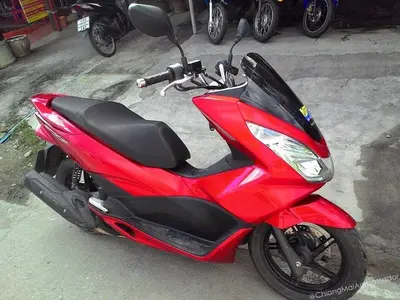
Renting a Motorbike in Chiang Mai
How to rent safely, document existing damage, handle deposits, and understand your insurance coverage before you ride.
Read more →
Insurance in Chiang Mai
Vehicle insurance, health insurance, and travel policy gaps for expats in Chiang Mai. What Por Ror Bor covers and what it does not.
Read more →
Chiang Mai Road Rules
Speed limits, left-side driving, intersections, and the specific road behaviours you need to know before driving in Chiang Mai.
Read more →