What Happened
Thailand has repealed the 60-day visa exemption scheme that launched in July 2024. The 30-day rule is now in effect.
The 30-day (or 15-day) framework applies to every arrival. If you're already in Thailand on a valid 60-day stamp, it remains honoured until it expires.
What Changes: Before vs. After
| Aspect | 60-Day Scheme (July 2024 - Sept 14, 2026) | New Rules (From September 15, 2026) |
|---|---|---|
| Standard visa-exempt stay | 60 days (for 93 countries) | 30 days (60 countries), 15 days (Seychelles, Mauritius) |
| Visa on Arrival | Wider list of eligible countries | 3 countries only: Azerbaijan, Belarus, Serbia |
| Land border entries per year | - | Maximum 2 per calendar year (Malaysia, Indonesia, Singapore, Brunei remain unlimited) |
| Bilateral agreements (9 countries on 60 days) | 60 days | 8 countries move to 30 days, 1 moves to 14 days |
| Eligible countries (standard exemption) | 93 countries | 60 countries on 30-day tier |
For anyone needing longer than 30 days plus a 30-day extension, the Tourist Visa Leisure remains available: a 60-day single-entry visa, itself extendable by a further 30 days.
Who Is Affected
This affects anyone entering Thailand visa-exempt. If you're already here on a 60-day stamp, you're not affected. If you're planning a visa run or border crossing to reset your stay, pay attention to the land border cap.
If You Arrive by Air
Expect 30 days if your country is on the 60-country standard exemption list (Australia, UK, US, most of Europe, and others are included). Seychelles and Mauritius get 15 days instead. Check the full published list before you travel, since the eligible country count dropped from 93 to 60.
If You Cross a Land Border
You're now limited to 2 visa-exempt land border entries per calendar year, with continued unlimited entry for travellers from Malaysia, Indonesia, Singapore, and Brunei. This changes border run strategy significantly. Once you've used 2 land border entries, you'll need a visa (Tourist, ED, DTV, etc.) to re-enter. The official announcement does not state a limit for air or sea arrivals.
When Does This Take Effect
The 30-day rule is now in effect. Anyone who arrived under the old 60-day exemption keeps that stamp until it expires.
Practical Implications
For Digital Nomads and Short-Term Visitors
If you were relying on 60-day exemptions for quarterly trips, you'll now get 30 days. You'll need to plan visa extensions or longer-stay visas (Tourist Visa with extension, DTV, or ED) to stay longer.
The DTV visa is now a better option than it was a year ago. It's 180 days initial, renewable, and designed for remote workers. Compare it to multiple visa runs for the same duration.
For Border Run Strategy
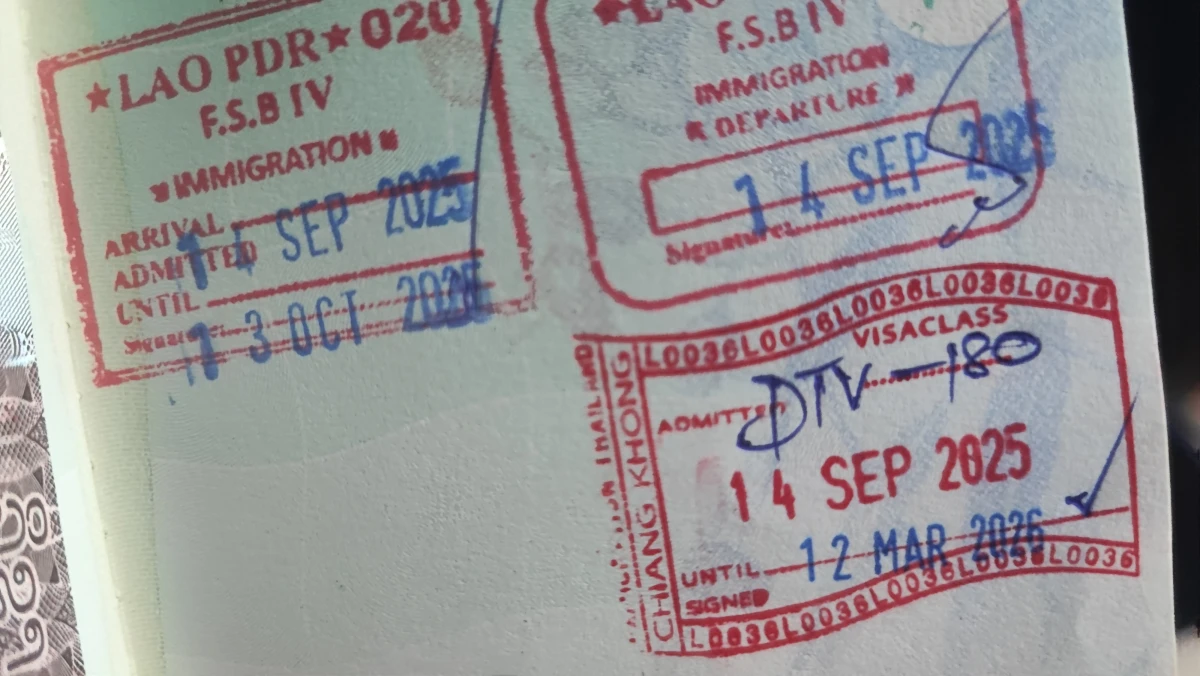
The 2 land border entry cap per year is the killer. If you were doing quarterly Vientiane runs on visa exemption, you can only do 2 per year now. Your third run will need a visa.
Options: (1) Get a DTV or ED visa to remove the exemption dependency. (2) Combine air and land arrivals. The official announcement does not state a limit for air or sea arrivals. (3) Plan to extend your current stay rather than run borders constantly.
For Long-Term Residents
If you're on an ED visa, DTV, Retirement, or Marriage visa, this doesn't affect you. You're not using visa exemption anyway. Stay your course.
What Doesn't Change
Long-stay visa options remain: ED (education), DTV (digital nomad/remote worker), Retirement (50+), Marriage, Volunteer, LTR, and others. The exemption rules only affect visa-exempt entries.
If you're planning to settle long-term in Chiang Mai, moving to an ED or DTV visa now is smarter than relying on exemptions anyway.
The Two Paths Forward
Path 1: Mainstream Approach
Stay on visa exemptions where they still work. Get 30 days by air arrival. If you need more time, extend the Tourist Visa within Thailand (add another 30 days). Plan quarterly trips around the 2-run-per-year land border limit. This works if you're a regular visitor, not a resident.
Path 2: Deep Cut (What Locals Do)
Move to a DTV visa now while it's still new and has room. Initial grant is 180 days. It renews in the same visa class, no border runs needed, and it's cheaper than visa hopping. Or get an ED visa (even basic Thai language study counts) for the same flexibility. Stop treating Thailand like a short-term visitor and commit to a proper visa. You'll spend less time and money. This is what people who've been here years actually do.
Why Did Thailand Make This Change
The 60-day Visa Exempt was introduced in 2024 as a tourism boost. However, it created an unintended consequence: many people were using it as a de facto long-stay option by extending or border running repeatedly. This crowded Immigration offices, created ambiguity around intent, and blurred the line between tourist and resident visas.
By reverting to 30 days, Thailand is signaling clearer rules: tourists get 30 days free. If you want longer, apply for a proper visa. This reduces friction at Immigration and encourages legitimate long-term residents to get proper visa sponsorship.
Common Questions
Can I still extend for 30 days
Yes. Visa Exempt can still be extended once for 30 additional days at any Thai Immigration office (1,900 THB), on top of whatever base stay you're granted at entry.
If I border run, how many days do I get
Border runs and air arrivals both issue a 30-day stamp (15 days for Seychelles and Mauritius). Land border entries are capped at 2 per calendar year.
I already have a 60-day stamp. Does it still work
Yes, completely. Your existing 60-day stamp is valid until the date shown in your passport. Immigration honours stamps issued before September 15, 2026 for their full duration.
Is this the final rule, or could it change again
Thailand's visa policies change every 1-2 years based on tourism and security objectives. This rule will likely be in effect for at least 12-18 months, but nothing is permanent. Stay informed by checking your embassy's website before travelling.
Guru Tip
The 2-entry land border limit is the real change (the official announcement does not state a limit for air or sea arrivals). If you were doing visa runs every 3 months on exemption, that stops now. Start planning your visa strategy today. ED and DTV visas both give you months without border runs. Move proactively instead of reacting. When your 30 days run low, do one extension (1,900 THB at Immigration, up to 30 more days, at the officer's discretion) to reach about 60 days. Use that time to decide: are you staying 6+ months or leaving. If staying, apply for ED Visa (Thai language, fun, reasonable cost) or DTV (if you work remotely). If leaving, border run once more for a fresh 30 days and plan your exit. Thailand respects decisiveness.
Where to Get Official Information
CMLocals.com has the authoritative legal text and official Thai government guidance. That's your source for exact country tiers and implementation dates.
Also monitor these official Thai government sources:
- Thai Immigration Bureau official website
- Thai Ministry of Interior announcements
- Thai Ministry of Foreign Affairs (for embassy guidance in your country)
What This Means for Chiang Mai
Chiang Mai has always been a longer-stay destination, not a quick tourist stop. This change actually benefits the city. It shifts the mix toward people committing longer (ED visa students, DTV remote workers, retirees) and away from perpetual visa-run hoppers. That's healthier for community and integration.
If you've been thinking about moving beyond exemptions and settling properly in Chiang Mai, this is the nudge. ED visa Thai language programs and DTV applications are both straightforward. Get sorted before the rush.
Key Takeaways
- Confirmed: 30 days is now the standard for visa-exempt entry.
- 2 land border entries per calendar year is the cap, with Malaysia, Indonesia, Singapore, and Brunei not subject to it. The official TAT Newsroom announcement does not state a limit for air or sea arrivals.
- The eligible country list for the standard exemption shrinks from 93 to 60; Seychelles and Mauritius get 15 days instead of 30.
- Visa on Arrival is now limited to Azerbaijan, Belarus, and Serbia.
- DTV and ED visas are worth considering for anyone who needs more than 30 days plus one extension.
Frequently Asked Questions
When did the 60-day visa exemption end in Thailand?
The 60-day visa exemption has ended. 30 days is now the standard for visa-exempt entry.
How long can I stay in Thailand visa-exempt under the new 2026 rules?
30 days for the 60 countries on the standard exemption list, returning to the pre-2024 standard. Seychelles and Mauritius receive 15 days. The 60-day exemption that launched in July 2024 ends September 15, 2026.
If I am already in Thailand on a 60-day exemption, am I affected?
No. Existing permission is honoured until it expires. The change affects arrivals after the new rules take effect, not people already in the country on valid permission.
How many times can I enter Thailand by land border under the new rules?
Land border entries are now capped at 2 per calendar year. The official announcement does not state a limit for air or sea arrivals. This is a significant change from the previous rules and directly affects people doing regular land border runs from Chiang Mai.
What visa should I get if I want to stay longer than 30 days in Thailand?
The DTV (Destination Thailand Visa) is the most flexible option for remote workers and frequent visitors. The tourist visa gives 60 days with one extension. The retirement and marriage visas are for long-term residents. See the visa hub for a full comparison, or CMLocals' guide to current Destination Thailand Visa requirements.
Guru Tip
If you are affected by the return to 30-day exemptions, plan ahead before your current permission expires. Applying for a DTV or tourist visa from outside Thailand is significantly easier than managing it under time pressure. The two land-border-per-year cap makes the old Chiang Khong bounce run a more limited strategy than it was.