What Is the Wat Ket Area?
Wat Ket (วัดเกต, also called Wat Ket Karam or the Riverside neighbourhood) is the area running along Charoen Prathet Road and the Ping River from the Iron Bridge (Saphan Lek) south toward the Nawarat Bridge and beyond. It is one of the oldest trading districts in Chiang Mai: Chinese and Lanna merchant families built teak houses here in the 19th and early 20th centuries, and several of those buildings still stand. The area lacks the tourist density of the Old City and the development pressure of Nimman. It is, genuinely, quiet.
The Character of Wat Ket
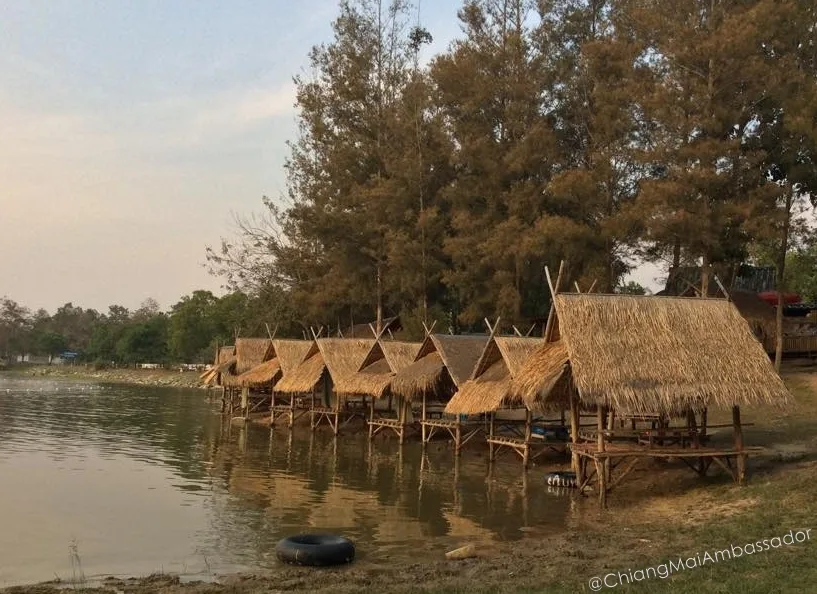
The Ping River defines this neighbourhood. In the dry season, the river is wide and placid. In the wet season (June to October), it rises and the green deepens. A morning walk along the river path, from the Iron Bridge south past Wat Ket temple toward the Nawarat Bridge, is one of the genuinely good things you can do on a Tuesday morning in Chiang Mai at no cost. The Old City has temples and walls; Wat Ket has water and light.
The neighbourhood is also less designed for short stays. The businesses here, small cafes, heritage guesthouses, a few excellent restaurants, cater to people who are staying a while. This filters the crowd. You encounter fewer 3-night tourists and more people who have been in Chiang Mai for months.
Rent and Housing
The housing stock is mixed: old shophouse apartments converted to modern rentals, purpose-built blocks from the 1990s and 2000s, a few renovated heritage properties at premium prices, and some genuinely characterful older buildings that appear on no listing site and are found by walking. Budget for 7,000 to 13,000 THB per month for a decent 1-bedroom, rising to 15,000 to 22,000 for something with river views or genuine character.
Several boutique-style serviced apartments have opened along Charoen Prathet Road in recent years, targeting long-stay guests and well-travelled expats. These typically run 18,000 to 30,000 THB per month all-inclusive.
Food and Cafes
Riverside Restaurants
The Riverside area along Charoen Prathet Road has some of Chiang Mai's best independent restaurants, not backpacker Thai food, but genuinely good cooking. The Riverside Bar and Restaurant has been operating since 1985 and remains a benchmark for quality Thai food with live music in an outdoor setting. Several newer establishments have opened nearby, raising the neighbourhood's food reputation further.
Local Options
Behind the main riverside road, the sois heading west toward the Old City moat have proper local food: morning rice porridge, noodle shops from 6 AM, market stalls with fruit and grilled meats. You are not trapped in the high-price riverside zone if you walk two minutes inland.
Getting Around
Wat Ket is 10 to 15 minutes walk from the Old City's eastern gate (Tha Phae Gate). For Nimman, plan on 20 to 25 minutes by bicycle or 10 minutes by Grab. Airport Road Immigration is 15 minutes by motorbike. The location is workable without a vehicle if you have a bicycle; genuinely convenient with a motorbike.
The Heritage Argument
Chiang Mai's walled Old City gets most of the historical attention, but Wat Ket predates it as a trading hub. The temples in this area: Wat Ket Karam itself, Wat Saen Fang, and others nearby, are working community temples, not tourist destinations. The difference is visible and worth experiencing. Early morning merit-making along the river path here feels nothing like the managed photo opportunities in the Old City.
Is Wat Ket Right for You?
If you want heritage character, river access, genuine quiet, and a neighbourhood that feels lived-in rather than performed, Wat Ket is the most distinctive residential option in Chiang Mai. It is not the city's easiest neighbourhood to navigate as a newcomer, but it rewards those who take the time to understand it.
Guru Tip
The best time to understand the Wat Ket neighbourhood is a Sunday morning before 8 AM. Walk south from the Iron Bridge along the riverbank path with no particular destination. The light, the river, and the absence of noise at that hour will tell you more about whether this is your kind of place than any description can.
Related reading: Santitham Guide | Jed Yod Guide | Hang Dong Guide | All Neighbourhoods | Living Better in Chiang Mai
Last verified: May 2026
Frequently Asked Questions
Where is the Wat Ket area in Chiang Mai?
East of the Old City moat, along Charoen Prathet Road and the Ping River, running from the Iron Bridge (Saphan Lek) south toward the Nawarat Bridge. About 10 to 15 minutes walk to the Old City centre.
What is the history of the Wat Ket area?
One of the oldest trading districts in Chiang Mai. Chinese and Lanna merchant families built teak houses here in the 19th and early 20th centuries. Several original teak buildings still stand and the area retains a heritage character not found elsewhere in the city.
Is Wat Ket good for long-term living?
Yes, for people who value quiet, heritage character, and riverside access over nightlife or digital nomad infrastructure. It suits writers, artists, retirees, and expats who have already lived in Nimman and want something calmer.
What does rent cost in the Wat Ket area?
One-bedroom apartments from 7,000 to 13,000 baht/month. Heritage houses and converted teak properties command premiums. Less new development than Nimman so options are fewer but more characterful.
What is the food scene like in Wat Ket?
A mix of some of Chiang Mai's best independent restaurants alongside local Thai stalls. The area has developed a quiet reputation for quality dining without the tourist pricing of Nimman or the Old City walking streets.
Guru Tip
The morning walk along the river path, from the Iron Bridge south past Wat Ket toward the Nawarat Bridge, is one of the genuinely good things about living in this area. Do it before 8 AM, before the traffic builds. The combination of river light, old temple walls, and almost no tourists makes it feel like a different city entirely.