Every Friday morning, a different side of Chiang Mai comes to life off Tha Phae Road. Locals and long-term residents gather behind the Night Bazaar for the Yunnan Farmers Market, a morning market with roots in the Yunnanese Chinese communities that have called northern Thailand home for generations. It opens at dawn and runs until noon. It is one of the most authentic market experiences in the city and almost entirely unknown to tourists.
A Bit of Background
The Yunnanese Chinese, also known as the Jeen Haw, have been a presence in northern Thailand for over a century. Many arrived as traders on the old caravan routes that connected Yunnan province in southwestern China with Burma, Laos, and northern Thailand. Others came as refugees following the Chinese Civil War in the late 1940s. Over time they settled, put down roots, and built communities in Chiang Mai and the surrounding highlands. Their food, language, and culture became woven into the fabric of the city.
The Yunnan Farmers Market is a direct expression of that community. The vendors are not running tourist stalls. They are growing food in the mountains and bringing it down on Friday mornings the same way their families have done for decades. Coming here is not just a food experience. It is a connection to a part of Chiang Mai's history that most visitors never encounter.
What Makes This Market Different
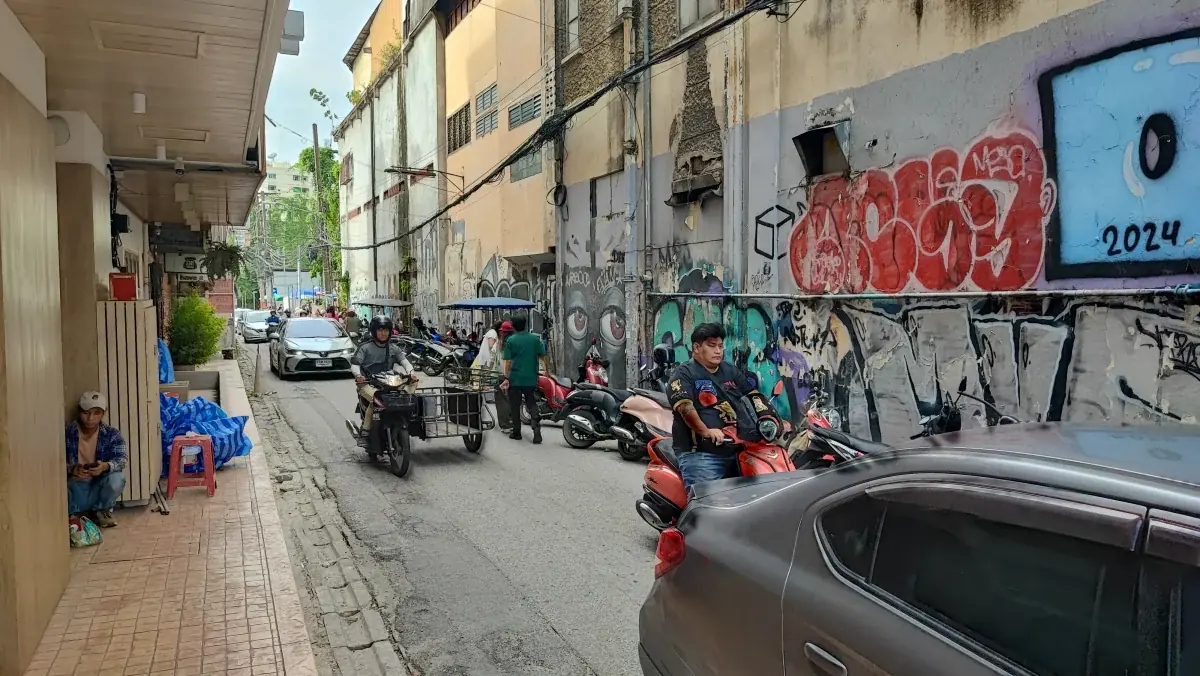
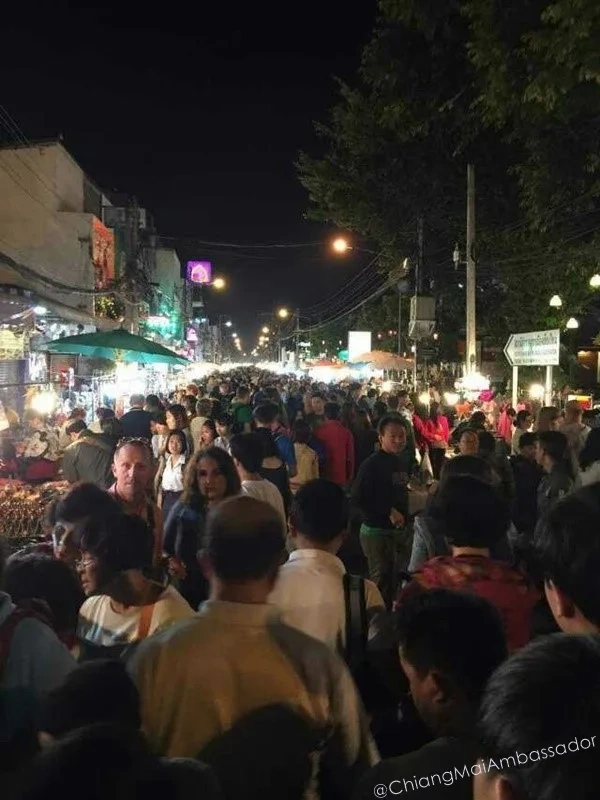
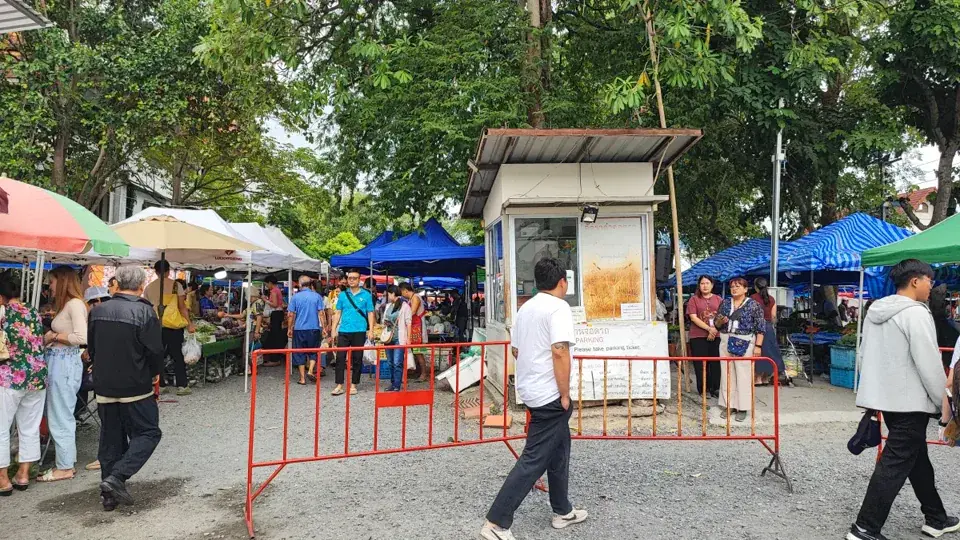
Most visitors to Chiang Mai know the Sunday Walking Street and the Night Bazaar. The Yunnan market is nothing like either of those. This is a working market for local families. The stalls specialise in fresh vegetables grown in the cool highlands around Chiang Mai. Plump eggplants, fragrant herbs, bright chilies, mountain mushrooms, rare Yunnanese greens that do not appear at Rimping or any supermarket. Everything is priced for local buyers, not tourists.
By mid-morning the produce section fills up. Shoppers leave with full bags of vegetables, meats, noodles, Chinese sauces, kitchenware, and household goods. There are also pickles, preserved foods, steamed buns, fried sweets, and handmade sauces. It is the kind of market where you arrive for one thing and leave with ten. Budget somewhere between 200 and 500 THB for a full shop and a proper breakfast and you will not be short.
The Food Court
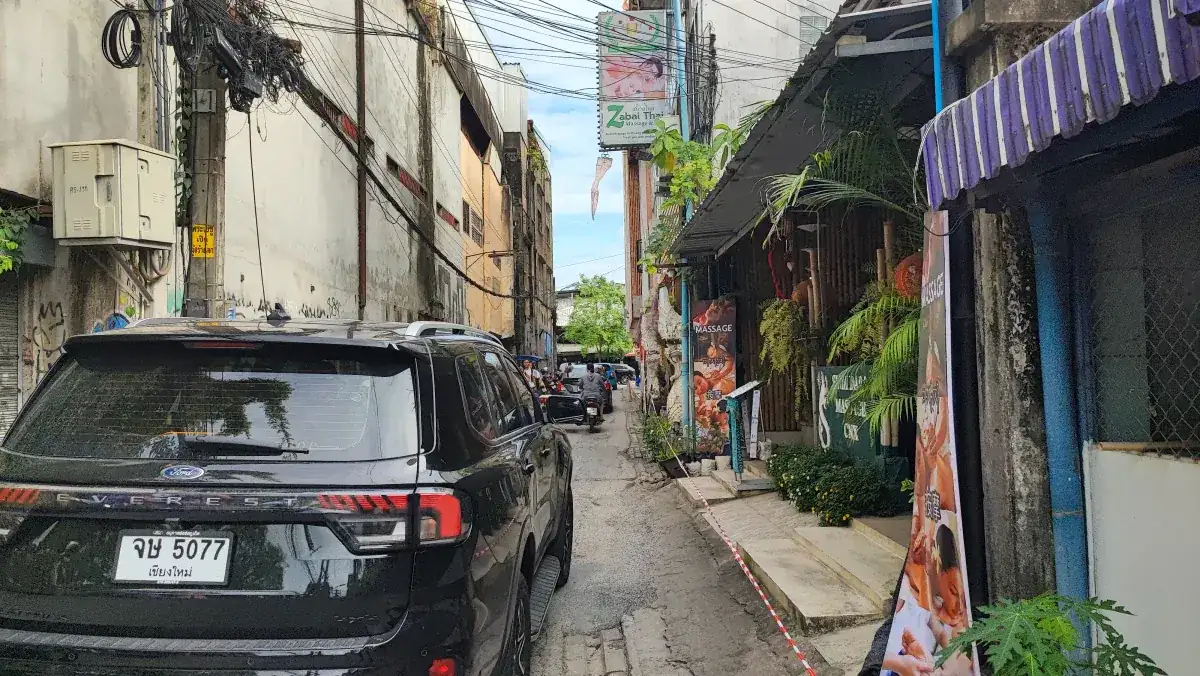
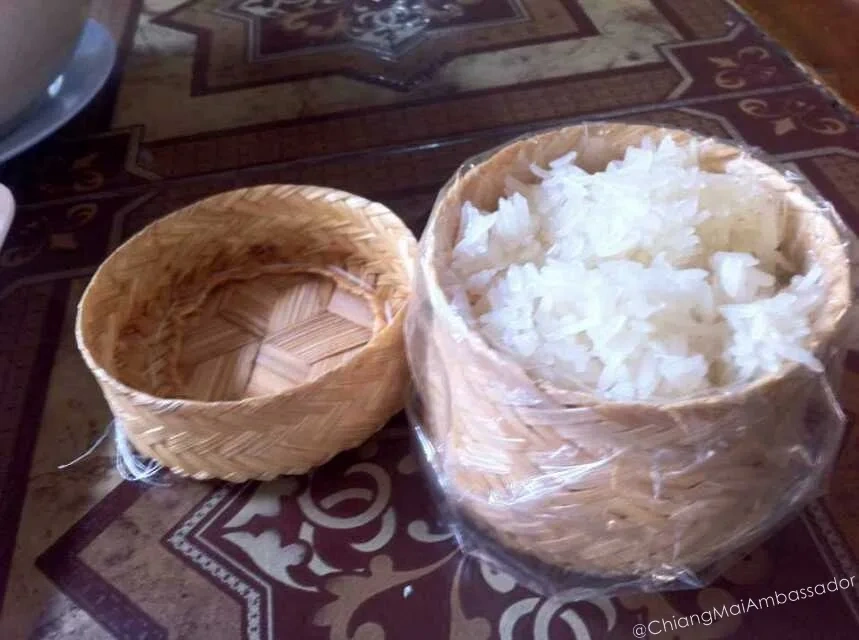
The food court is the heart of the market. The smell hits you before you see it. Slow-cooked beef noodle soup, spicy dumplings, Kao Buk Bing grilled sticky rice cakes, vinegared pork noodles, and snacks made from recipes passed down through generations. Try the black chicken rice noodles or yellow tofu, both popular with the local Chinese community. You can eat a proper meal for 50 to 100 THB.
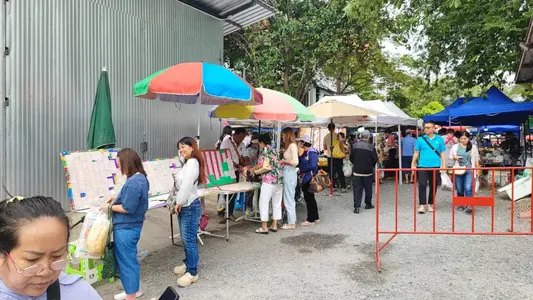
The atmosphere is just as good as the food. Mandarin, Thai, and Shan dialects mix in the air. Families shop together. Long-term locals gather at coffee stalls, sometimes run from a modified motorbike. There are halal stalls too, reflecting the diverse communities that make up this part of the city. Nobody is in a hurry. The early hours especially feel calm in a way that most of Chiang Mai does not.
You might also spot a vendor offering Tok Sen, a traditional northern Thai treatment where a wooden mallet is used to tap along the joints and muscles. It is particularly popular with older shoppers seeking relief from arthritis and joint pain. Not something you will find at a tourist market.
What to Eat: The Standouts
If it is your first time, here is what to look for:
- Kao Buk Bing: grilled sticky rice cakes stuffed with filling, a northern specialty rarely found elsewhere in the city
- Steamed dumplings: served with ginger, vinegar, and chives, made fresh every morning
- Nan bread with chicken soup: thick flatbread for dipping, filling and very cheap
- Black chicken rice noodle: the colour comes from the preparation method, the flavour is deep and worth trying
- Market coffee: strong, freshly brewed, sometimes sold from a cart or motorbike by the same vendor every week
- Fermented bean curd: pungent, an acquired taste, but locals swear by it and buy it by the jar
- Beef patties: griddled on the spot, served with various noodle types including flat, ribbon, and glass
- Vinegared pork noodles: a Yunnanese staple, sharp and savoury, not found at standard Thai noodle shops
Produce Worth Taking Home
If you cook at home in Chiang Mai, this market is worth making a weekly habit. The highland farms supply mushroom varieties that supermarkets simply do not stock. The herbs are fresher and cheaper than anything at Rimping or Tops. Look for bitter melon, Chinese long beans, and the various dark leafy greens used in Yunnanese stir-fries. Dried goods are also strong here. Pickles, dried mushrooms, preserved vegetables, Chinese spice blends, and noodle packs that you will not find elsewhere in the city.
Vendors selling sauces and condiments are worth slowing down for. Many of these are homemade and sold in small batches. Chili oils, fermented pastes, and vinegar-based dressings that carry real complexity compared to the factory versions at supermarkets. If something catches your eye and you are not sure what it is, point and ask. Someone nearby will usually explain.
Practical Tips Before You Go
- Arrive early: The best produce and food selection is from 5am. By noon many stalls are already packing up. Sweet spot is 6am to 8am.
- Bring cash: Most vendors do not accept cards or QR payments. Small notes make transactions easier. A 20 or 50 THB note goes a long way here.
- Dress casually: This is a working local market. Be ready to browse, sample, and linger. It can be warm by mid-morning.
- Getting there: Off Tha Phae Soi 1, a short walk from the Night Bazaar. Motorbike or songthaew is the easiest option. Parking for cars is limited and the surrounding streets get busy.
- Language: Many vendors speak Mandarin as a first language. A few words of Chinese help, but pointing and smiling works fine. Most vendors have dealt with enough curious visitors to manage.
- Bags: Bring a cloth bag or two. The plastic bags vendors use are small and you will likely buy more than expected.
Key Takeaways
The Yunnan Farmers Market runs every Friday from 5am to noon, off Tha Phae Soi 1 near the Night Bazaar. Free entry, cash only. It is the best place in Chiang Mai to buy fresh highland produce and eat authentic Yunnanese street food at local prices. Arrive before 9am for the best choice. Eat something at the food court before you leave.
Frequently Asked Questions
What days is the Yunnan Farmers Market open?
Fridays only. The market runs from around 5am until noon. Arrive before 9am for the best selection before the crowds build and stalls start running low.
Where exactly is the Yunnan Farmers Market in Chiang Mai?
Off Tha Phae Soi 1, behind the Night Bazaar on Tha Phae Road. It is an easy walk from the Night Bazaar main entrance. Songthaew or motorbike is the most practical way to get there.
Is entry to the Yunnan Farmers Market free?
Yes, entry is free. Bring cash for buying produce and food. Most vendors do not accept cards or QR code payments, so have small notes ready.
What food should I try at the Yunnan Farmers Market?
Start with Kao Buk Bing (grilled sticky rice cakes) and a bowl of black chicken rice noodles. The beef noodle soup and steamed dumplings are popular with regulars. Market coffee from one of the stalls is worth stopping for before you leave.
Is the Yunnan Farmers Market good for buying fresh vegetables?
It is one of the best markets in Chiang Mai for highland produce. Mountain farms supply mushrooms, herbs, chilies, and greens that are rarely available at supermarkets. Prices are local rates, not tourist prices.
Is this market suitable for tourists or mainly for locals?
It is mainly a local market and that is exactly why it is worth visiting. You will not find it listed in most tourist guides. Vendors are friendly and used to the occasional visitor. It is a genuine slice of everyday Chiang Mai life.
Guru Tip
Arrive before 8 AM if you want the best selection of highland produce and Yunnanese street food. By 9 AM the market is busy and the most interesting vendors are already selling out of their best items. Bring cash only, no cards accepted, and plan to spend at least an hour. This is a slow market, not a quick pass-through.