Space, Quiet, and Garden Living
Riverside is Chiang Mai's escape valve. West of the city, across the Mae Ping River, it's suburban, peaceful, and spacious. More families, more gardens, more quiet. Less infrastructure than the city, but more breathing room. Perfect for those building a home, not just renting an apartment.
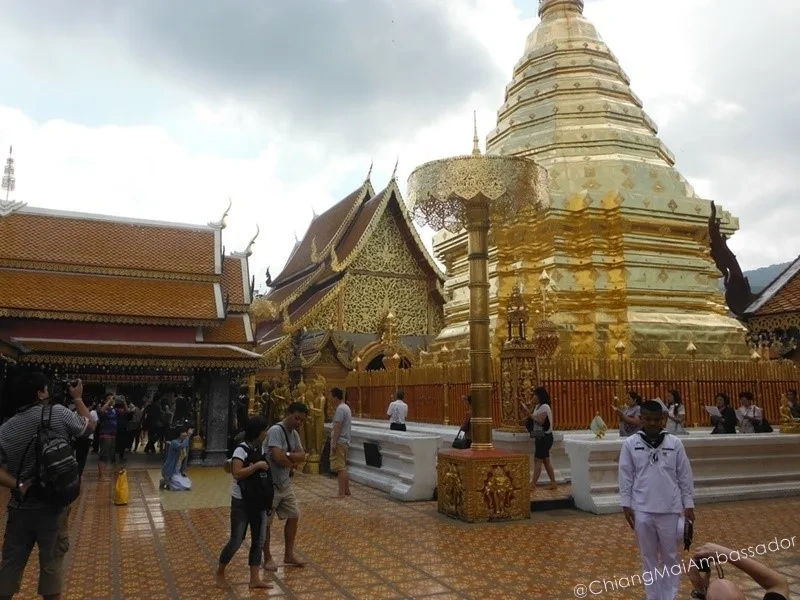
The Vibe: Where Chiang Mai Families Live
Riverside is where Thai families build homes. You'll see bigger houses, green gardens, and kids playing on sois. The rhythm is slower. Shops close earlier. Internet may be slower. But it's peaceful in a way the city isn't. You can hear birds. You can have a garden. You can actually relax.
The expat community here is smaller and more integrated. You're not in a Western bubble. You're in a Thai neighbourhood where you happen to live. That's either ideal or lonely, depending on your social needs.
Housing and Costs
House rental: 5,000-10,000 THB/month. Riverside is where you can afford a real house with a garden. Often 2-3 bedrooms, outdoor space, washing machine hook-up.
Condo: 6,000-12,000 THB/month. Modern developments with pools and amenities. Less character than a house, but more security.
Riverside is cheaper than Nimman or Old City because it requires a motorbike commute. If that doesn't bother you, the space and cost savings are significant.
Daily Life and Community
Transport: You need a motorbike or car. Public transport is sparse. Most people have scooters and bike into the city when needed.
Shopping: Local markets and minimarts are convenient. For serious shopping, you drive to Nimman or the Central Mall.
Social scene: You'll build friendships through your immediate neighbourhood. Less ready-made expat groups, more organic Thai-expat integration.
Pros and Cons
Pros: Affordable, spacious, quiet, garden living, strong family community, peaceful, slower pace of life.
Cons: Requires motorbike, further from amenities, smaller expat community, slower internet in some areas, less walkable than city neighbourhoods.
Key Takeaways
Riverside is for those ready to settle in. If you're staying long-term, have a family, want to build a home with a garden, and don't mind a motorbike commute, Riverside offers space and peace at a price you can afford. It's less social than Nimman, less cultural than Old City, but more real in its own way. It's where Chiang Mai residents actually live.
Frequently Asked Questions
Where is the Riverside neighbourhood in Chiang Mai?
West of the city across the Mae Ping River, roughly 15 to 30 minutes from the city centre depending on traffic. It covers a broad suburban corridor rather than a tight defined area.
Is Riverside good for families?
Yes. More space, quieter streets, and a community feel that inner Chiang Mai neighbourhoods lack. Gardens, larger houses, and proximity to some international schools make it popular with expat families settling long-term.
What does housing cost in Riverside, Chiang Mai?
Houses and condos from 5,000 to 10,000 baht/month at the lower end, up to 25,000+ for larger family homes with gardens. Generally cheaper than equivalent space in Nimman or the Old City.
What are the drawbacks of living in Riverside?
Distance from services. Hospitals, shopping centres, and the main expat social scene are all on the other side of the river. A vehicle is essential and the commute adds time to every outing. Internet can also be slower in some pockets.
Is there an expat community in Riverside Chiang Mai?
A scattered one. Long-term residents and families predominate over digital nomads. The community is less visible than Nimman but social connections form through schools, sports clubs, and local temples.
Guru Tip
Riverside rewards patience. The first month can feel isolated if you are used to Nimman's density. The community exists but it forms around routines: the morning market run, the school drop-off, the Sunday cycle along the river path. Build those routines and the neighbourhood opens up.