Planning a Move to Chiang Mai, Thailand
Visas, budgets, healthcare, taxes, and the pre-arrival checklist that turns overwhelming decisions into a clear 6-month countdown.

TL;DR: What You Need to Know
Chiang Mai costs USD 800-2,500 average per month depending on lifestyle (premium USD 3,000+). Visa options include ED (education, renewable), DTV (long-term tourism), Business, and Tourist visas. Start planning 3-6 months ahead, focusing on healthcare, taxes, housing, and logistics. Most expats underestimate cultural adjustment and overestimate costs.
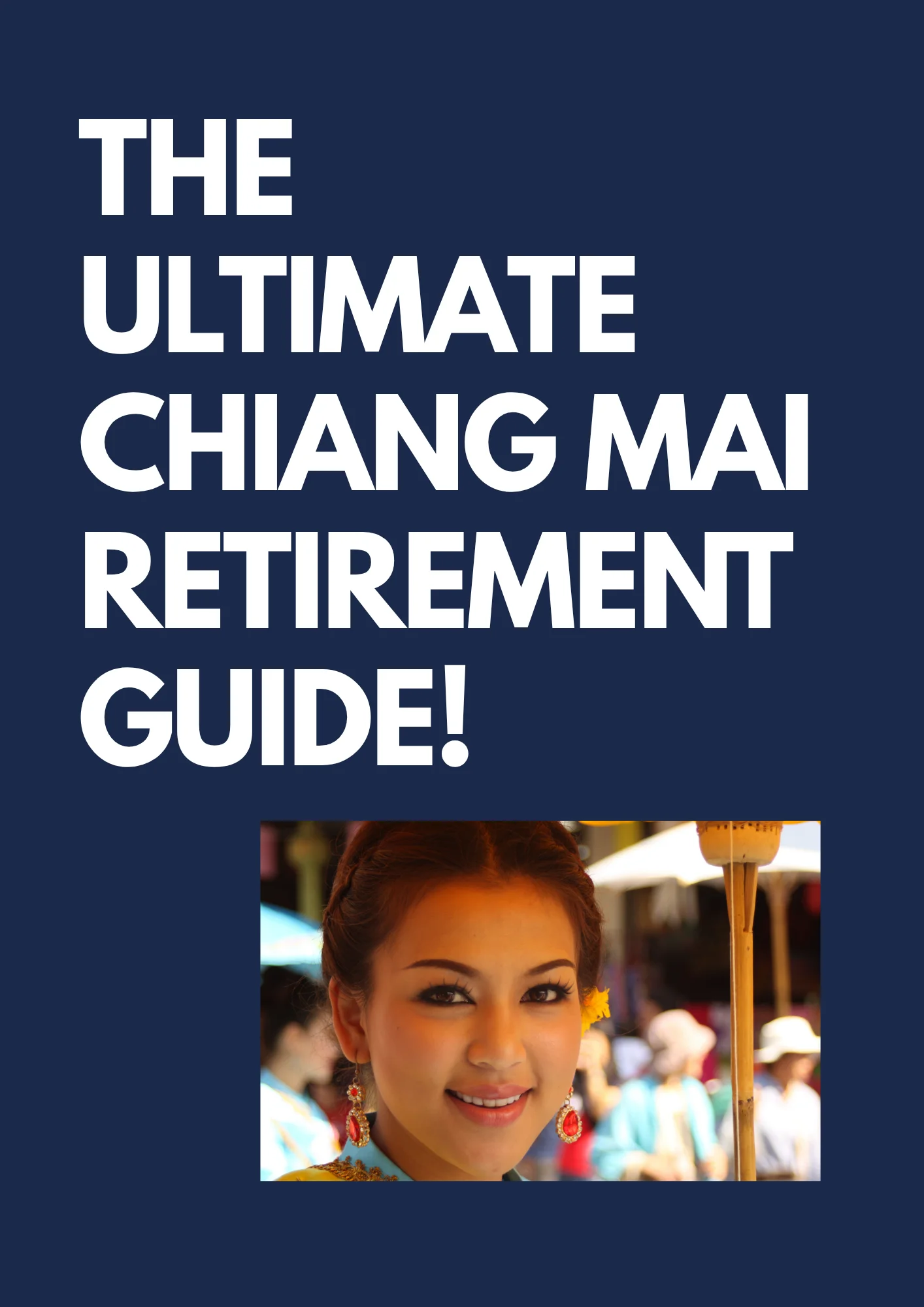
FREE Temporary access to The Ultimate Chiang Mai Retirement Guide - PDF
Why Chiang Mai? The Practical Reality
Chiang Mai draws expats, remote workers, and retirees for three reasons: cost, lifestyle flexibility, and community. But the city rewards careful planning and punishes assumptions. I got most of that wrong on my own move here 16 years ago, this page is what I wish someone had told me.
Costs genuinely are low. A comfortable life runs USD 1,200-1,800 monthly. Extreme budget living is possible at USD 600-800. Luxury living lands at USD 2,500+. The catch: you pay the farang premium on everything until you know where locals shop and eat.
Lifestyle flexibility is real. Work remotely in a coworking space. Study Thai at university. Volunteer. Teach English. The city doesn't force you into a single lane.
Community exists, but it's not automatic. Digital nomad groups are easy to find and transient. Deeper friendships with locals and long-term expats take time and intention.
Financial Planning Before You Move
Monthly Budget Framework
| Expense Category | Budget Lifestyle | Comfortable Lifestyle | Premium Lifestyle |
|---|---|---|---|
| Rent (1-bed apartment) | USD 300-400 | USD 600-900 | USD 1,200+ |
| Food (mix of local and Western) | USD 150-200 | USD 250-400 | USD 500+ |
| Transportation | USD 30-50 | USD 50-100 | USD 150+ |
| Healthcare / Insurance | USD 50-100 | USD 100-200 | USD 300+ |
| Utilities & Internet | USD 20-30 | USD 30-50 | USD 50+ |
| Social & Entertainment | USD 100-150 | USD 200-400 | USD 500+ |
| Monthly Total | USD ~800 | USD ~2,500 | USD 3,000+ |
These figures assume you're eating where locals eat, using songthaew (shared vans) and motorcycle taxis, and avoiding expat price markups. The jump from budget to comfortable is not linear. It's about access to better accommodation, Western groceries, and restaurant meals.
Currency & Money Management
Exchange rates fluctuate, but rough 2026 rates are 1 USD = 33-35 THB and 1 AUD = 22-24 THB. Open a Thai bank account within your first week. Local transfers cost nothing; international transfers incur 200-400 THB fees. Wise (formerly TransferWise) minimizes FX losses on large transfers.
Carry USD 2,000-3,000 cash for your first month. ATM withdrawals pull from local banks at decent rates. Avoid exchanging at airports.
Visa Pathways: Choose Your Route
Thailand offers multiple visas for long-term residence. Your choice shapes your next 12 months and beyond.
ED Visa (Education)
Most renewable and the easiest path to long-term stability. Enroll in Thai language school, martial arts training, or university programmes. Requires education sponsorship, a small fee, and renewal each year. Best for: learners, people who want structure, those staying 2+ years.
Read more: Thai Visa Advice
DTV (Long-Term Tourism Visa)
Newer option designed for remote workers and digital nomads. 180-day validity, no education requirement, flexible. Proof of income (USD 1,800+/month) and minor documentation required. Best for: remote workers, short-term planners, those avoiding school enrolment. See CMLocals' DTV Chiang Mai application process for the full walkthrough.
Business Visa
Requires Thai company sponsorship. More complex, but allows you to work legally. Best for: entrepreneurs, freelancers ready to formalize, those planning to stay 1+ years.
Tourist Visa / Visa Exempt
Two-month tourist visa or 30-day visa exempt. Not renewable long-term, but a fine entry point if you're still deciding. Use to house-hunt, explore neighbourhoods, get a feel for the city.
Healthcare & Insurance
Thai healthcare is affordable and modern in Chiang Mai. Quality hospitals include Bangkok Hospital and Chiang Mai Ram. Dental and routine care cost 50-70% less than Western prices.
Before moving, secure expat health insurance. Coverage typically costs USD 60-150 monthly for broad plans. Many policies exclude pre-existing conditions or charge extras. Arrange this before arrival.
For serious emergencies beyond Chiang Mai's capacity, Bangkok is a 1.5-hour flight. Ensure your insurance covers evacuation.
Read more: Budget Chiang Mai Medical Services
Tax Implications for Expats
Tax rules depend on citizenship. US expats owe US federal tax on worldwide income, but benefit from Foreign Earned Income Exclusion (roughly USD 120,000 threshold). Australian expats typically pay Thai tax on Thai-sourced income and Australian tax on Australian-sourced income, with Foreign Income Tax Offsets.
File Thai taxes if income exceeds 150,000 THB annually. Work permit applications require employment contracts and tax registration.
Hire a tax accountant familiar with expat rules. One good conversation saves thousands in mistakes. Cost runs USD 200-400 annually.
Read more: US Expat Tax Guide
Logistics: What to Plan Before Arrival
Shipping & Household Goods
Most expats ship nothing and buy locally. Shipping costs often exceed the value of goods. Exceptions: prescription medications, specialty electronics, irreplaceable items. Use FedEx or DHL. Expect customs delays and inspections.
Housing Research
Don't lease long-term sight unseen. Spend your first 2-4 weeks in short-term accommodation (Airbnb, guesthouses). Explore neighbourhoods, test commutes, feel the vibe. Then commit to 6-12 months.
Read more: Chiang Mai Neighbourhoods
Documentation
Get certified copies of birth certificate, marriage certificate, divorce papers (if applicable), educational diplomas, and police clearance before you leave. Embassies in Thailand can certify, but it's slower and pricier. Keep digital copies on encrypted cloud storage.
Timeline: 6-Month Countdown
- 6 months out: Research visas, neighbourhoods, budgets. Decide on visa type.
- 4 months out: Arrange health insurance. Begin visa paperwork (ED visa requires school enrolment; DTV requires income documentation).
- 3 months out: Confirm visa approval. Book arrival flights for early in the month (fewer crowds, easier housing search).
- 1 month out: Arrange short-term accommodation. Get digital copies of key documents. Notify bank of Thailand travel.
- 1 week before: Inform your phone provider. Arrange temporary cash exchange. Set up international access for banking apps.
Common Planning Mistakes
Underestimating cultural adjustment. Chiang Mai moves at a different pace. Bureaucracy is not linear. Patience is not optional. Budget time, not just money, for adaptation.
Overpaying for initial housing. New arrivals often rent expensive condos near Night Bazaar or online-advertised "expat areas." Neighbourhoods like Santitham, Nimmanhaemin, and Old City have better value once you know where to look. Explore before committing.
Skipping tax planning. One conversation with an accountant saves thousands. Do this before arrival, not after.
Assuming visa will be easy. Thai immigration changes rules. DTV just launched. ED visa requirements shift. Hire an agent or lawyer if your situation is complex (self-employed, multiple nationalities, prior visa issues).
Not testing the lifestyle first. Spend 2-4 weeks on a tourist visa before committing to a long-term visa. Some people love Chiang Mai. Others feel isolated after three months. Test it.
Next Steps
Planning done. Ready for the move? Read Just Arriving in Thailand to prepare for your first week.
Last verified: May 2026