Most expats arrive in Chiang Mai expecting a media desert. What they find is the opposite problem: too many sources, wildly different quality, and almost no way to tell which ones are worth reading. After thirty years of navigating Thai media from every corner of this city, here is what actually matters and what you can safely ignore.
English-Language Newspapers
Two papers have dominated English-language print journalism in Thailand for decades. Bangkok Post is the older of the two, founded in 1946, and it remains the more internationally minded. Coverage leans toward business, finance, and politics. The writing is generally solid. The online edition at bangkokpost.com is free to read, updated throughout the day, and does not require a subscription for most articles. If you read one Thai English-language paper, make it this one.
The Nation is the other major English daily. It has gone through multiple ownership changes and its print edition shrank significantly over the past decade. The online version, thenationthailand.com, is still active and covers similar ground to the Post. Quality is more variable. Some readers find it more politically candid on domestic Thai politics; others find it less consistent. Worth bookmarking as a second source.
Print editions of both papers are available at larger convenience stores, hotels, and some coffee shops in Nimman and the Old City. In practice, most people read them digitally. Physical copies in Chiang Mai are increasingly rare outside tourist-facing locations.
Online-Only News Sources Worth Knowing
The Thaiger (thethaiger.com) has become the most-read English-language online news source in Thailand over the past five years. Coverage is fast, broad, and ranges from visa policy changes to road accidents to cultural events. Quality varies by writer, but the speed is useful. Their Chiang Mai coverage is better than most. If something happens in the city that affects expats, The Thaiger will usually have it within hours.
Khaosod English (khaosodenglish.com) is the English-language arm of Khaosod, a major Thai-language paper. It tends to cover political and human rights stories that the Post and Nation handle more carefully. Useful for understanding what Thai-language media is actually reporting, translated with context.
For Chiang Mai specifically, CityNews Chiang Mai (chiangmaicitynews.com) has been running since 2000. Covers local news, events, and lifestyle content aimed at the expat community. The writing is inconsistent, but the local focus is genuine and nothing else quite covers Chiang Mai in English the same way.
Television in Chiang Mai
Free-to-air Thai television has thirty-plus digital channels. They broadcast in Thai. News, soap operas, game shows, and Thai drama series dominate. If you are learning Thai, watching local TV is genuinely useful practice. If you are not, most of it is inaccessible without subtitles.
For international content, True Vision is the main cable provider in Chiang Mai. Packages include CNN, BBC World News, sports channels, and various entertainment options in English. Packages start around 500-800 THB per month depending on what you want. Setup requires a True Vision box and a technician visit. Most serviced apartments and condos in Nimman and the Old City come with True Vision already installed. If you are renting a house or standalone condo, check before signing whether cable is included. The television in Thailand guide covers the practical setup details.
Netflix Thailand has a different content library than Netflix in Australia, the UK, or the US. The Thai catalogue is smaller but has grown steadily. A VPN set to your home country fixes this immediately. Most long-term expats run a VPN as a matter of course. It costs around 5-10 AUD per month for a reliable service and restores access to your full home country streaming library. Disney+ is available in Thailand and works well without a VPN.
All of this streaming depends on having good home internet. Chiang Mai has excellent fibre options available in most areas of the city. The internet in Thailand guide covers the main providers, speeds, and what to expect at different price points.
Radio
Radio matters less in 2026 than it once did. That said, it exists. Chiang Mai has several Thai-language FM stations covering pop music, news, and talk. English-language radio within the city is thin. The main option for English content is Radio 96.5 FM, which runs some English programming. Beyond that, most people either stream international radio via apps or skip radio entirely in favour of podcasts and streaming music.
If you drive and want English news audio, BBC World Service streams cleanly via the BBC Sounds app. NPR, Australian Broadcasting, and most major international broadcasters have apps that work fine on Thai mobile data. Getting a Thai SIM card sorted early makes mobile streaming straightforward. The mobile phones guide covers which networks offer the best data packages for Chiang Mai.
Social Media as Local News
Here is the honest reality for expats in Chiang Mai: Facebook groups move faster than any news outlet for local information. Road closures, power outages, flooding, local events, smoky season updates, visa queue reports, and neighbourhood issues all circulate in expat Facebook groups hours or days before any formal media covers them.
The main groups to join: Chiang Mai Expats, Chiang Mai Info, and any neighbourhood-specific groups relevant to where you live. Treat everything as unverified until confirmed from a second source, but for real-time local awareness, no news outlet competes with a well-populated local Facebook group.
LINE is the dominant messaging app in Thailand for Thai nationals. Many local businesses, landlords, building management groups, and community organisations communicate via LINE rather than WhatsApp or email. Setting up LINE early and joining relevant groups significantly improves your access to information that never reaches English-language media at all. This connects directly to settling into life in Chiang Mai in a way that goes beyond tourist-level awareness.
Thai-Language Media for the Ambitious
If you have any Thai reading ability, the Thai-language media landscape is substantial. Matichon, Khaosod, and Thai Rath are the three dominant Thai-language papers. Thai Rath is the highest circulation newspaper in the country. Matichon tends toward political journalism. Khaosod has strong local and regional coverage.
Thai news television runs 24 hours on multiple channels. Channel 3, Channel 7, and TNN are the main players. If you are working on your Thai language skills, watching Thai news is excellent practice. The presenters speak clearly and the vocabulary is practical for daily life.
The Media Setup Most Expats Land On
Bangkok Post online for daily news. The Thaiger for fast Thailand-specific updates. CityNews for Chiang Mai local. Netflix with a VPN plus True Vision cable for television. Relevant Facebook groups for real-time local information. BBC Sounds or a podcast app for audio. That combination covers everything most people actually need without paying for anything you will not use.
Guru Tips: Staying Informed in Chiang Mai
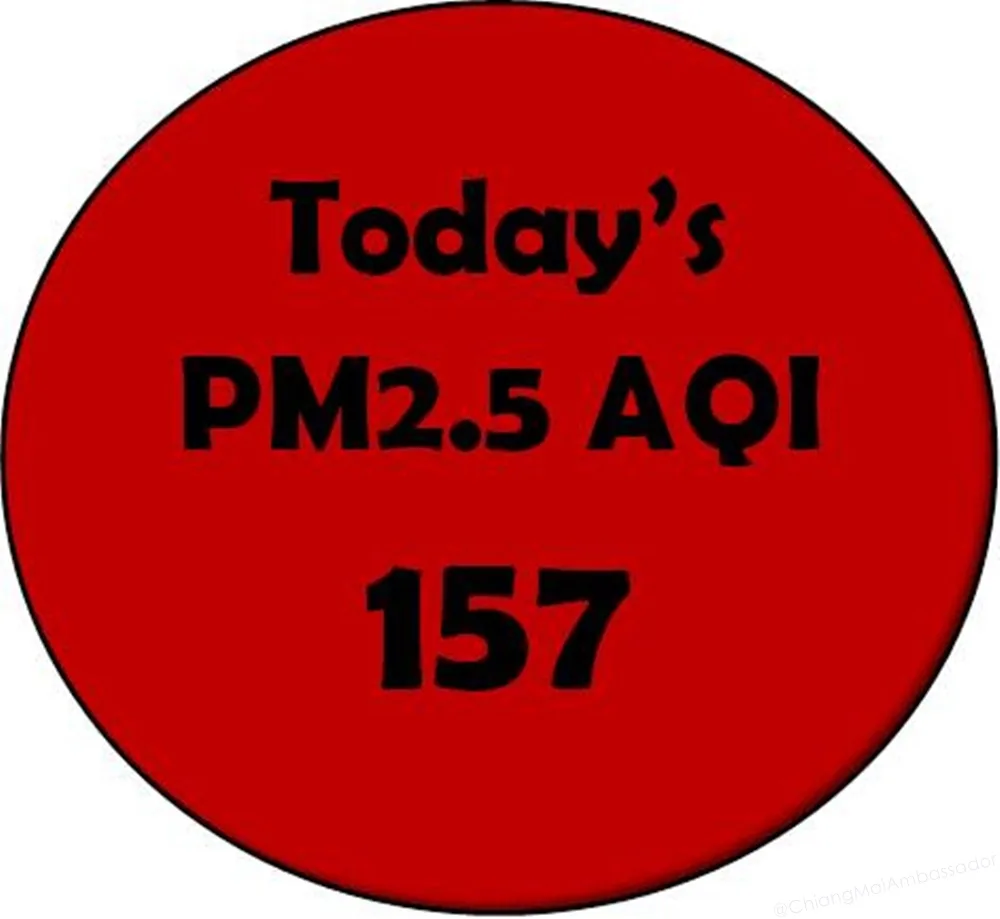
- Track air quality directly, not through news. The Chiang Mai smoky season (February to April) is best monitored via IQAir's real-time map at iqair.com. Local Facebook groups will post PM2.5 readings before any newspaper covers daily conditions. Bookmark both from your first week and check every morning from February onwards.
- Set a Bangkok Post alert for "Chiang Mai". The Post's email alerts are free and mean you catch regional stories without having to check the site manually every day.
- Join the CityNews Chiang Mai Facebook page alongside the website. Their social posts often carry event and news items that do not make it onto the main site. The comment sections are also a useful secondary signal for local sentiment.
- Download BBC Sounds before you leave home. It works on Thai mobile data without a VPN and gives you access to live radio, podcasts, and on-demand content from the BBC archive. Better than any local English radio option in Chiang Mai by a significant margin.
Frequently Asked Questions
What is the best English news source for Chiang Mai?
CityNews Chiang Mai is the most dedicated local English outlet for city-specific news. Chiang Mai Mail covers community events and local interest stories. For regional and national news with Chiang Mai coverage, the Bangkok Post is the most reliable English-language daily newspaper in Thailand.
How do I stay updated on Chiang Mai air quality?
IQAir's real-time map is the most reliable tool. It shows live PM2.5 readings by district, not just a single city-wide number. During the smoky season (February to April), check it every morning. Several Chiang Mai Facebook groups also post daily readings from community-run sensors during peak season.
Are there any good Chiang Mai expat Facebook groups for local news?
Chiang Mai Expats Club and Chiang Mai Digital Nomads are the two largest. Both carry local news, practical updates, and community alerts faster than any media outlet. For neighbourhood-specific information, smaller groups for Nimman, Santitham, and Hang Dong also exist and are worth joining based on where you live.
Is there English-language radio or TV in Chiang Mai?
Thai national English-language TV channels are available. International streaming services are more practical for English content. FM radio has limited English programming. For most expats, digital media such as podcasts, online news, and social groups has replaced traditional broadcast media entirely.
Where can I find information about local events in Chiang Mai?
The Chiang Mai Citylife events calendar is the most comprehensive. BK Magazine Chiang Mai covers nightlife and food events. Facebook Events filtered by location picks up everything from community meetups to gallery openings. For major events like Yi Peng or Songkran, dedicated Facebook groups appear each year with logistics and updates.