Move Prepared, Not Panicked
Moving to Chiang Mai requires planning across three phases: preparation (before departure), arrival (first week), and settlement (first month). Use this checklist to ensure you don't miss critical steps. I built this from my own move here 16 years ago, plus every mistake I've watched newcomers make since.

Phase 1: Before Departure (4-6 Weeks Prior)
Start here. Don't leave this incomplete.
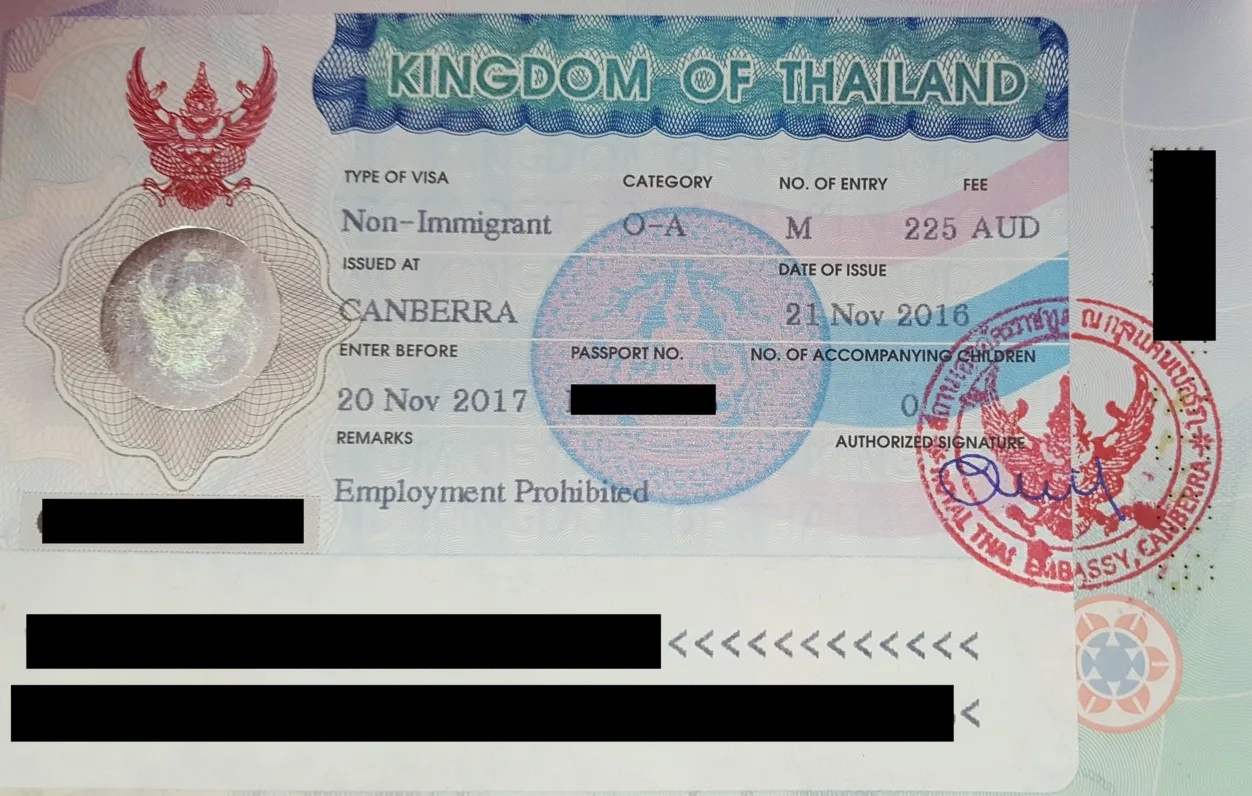
Passport and visas: Check passport expiration. Thailand requires 6 months minimum validity, but 18+ months is safer. Determine visa: Tourist (60 days), ED (education), DTV (Destination Thailand Visa), or other long-term options.
Banking and finances: Notify your bank of travel dates. Arrange international transfers. Open Thai bank account documentation if needed. Bring USD or GBP for currency exchange.
Insurance: Travel insurance for first month. Then explore Thai health insurance or expat plans.
Documentation: Make digital and physical copies of: passport, visa, birth certificate, criminal record check, medical records, prescription medications list, insurance docs. If you are planning to stay long-term, also check whether your insurance covers repatriation and consider a simple Thai will for any assets here. Our guide to what happens when a foreigner dies in Thailand explains what to prepare and why it matters.
Phase 2: Arrival (Day 1-7)
Airport: Arrive with accommodation booked for 5-7 nights. This gives you buffer to find long-term housing without pressure.
SIM card: Buy Thai phone SIM at airport. AIS, Dtac, or True are main providers. 8 GB data + calls, 100-150 THB.
ATM and cash: Withdraw THB from ATM. Inform bank first to avoid fraud flags. Krungsri, Bangkok Bank, Siam Commercial are everywhere.
Taxi to accommodation: Use Grab app (like Uber) or yellow taxis from airport. Avoid unmarked taxis.
First-week tasks: Walk your neighbourhood, find restaurants, locate 7-Elevens and pharmacies, identify TM.30 registration deadline (within 24 hours of arrival).
Phase 3: First Month (Days 8-30)
Housing: Find long-term accommodation. Facebook groups are most effective. Budget 6,000-15,000 THB for decent housing depending on area.
TM.30 registration: Report your address to immigration within 24 hours of arrival. Must renew every time you move. Required to open bank accounts.
Bank account: Open Thai bank account (Bangkok Bank, Krungsri, Siam Commercial). Bring passport, TM.30 copy, and proof of residence.
Mobile registration: Register SIM with immigration (free, required by Thai law).
Healthcare: Identify clinic or hospital. Register with expat doctor if needed. Understand costs (Thai healthcare is cheap).
Motorbike/transportation: Rent or buy motorbike (motorcycle license required). Buy appropriate helmet and rain gear.
Key Takeaways
Moving to Chiang Mai is straightforward if you prepare. Complete documentation before arrival. Secure housing immediately. Register address and open a bank account in first week. Don't rush housing decisions. Avoid overpacking. Keep copies of everything. Most importantly: give yourself grace. First month is adjustment. Plan for it.
Frequently Asked Questions
What should I bring to Chiang Mai that is hard to find locally?
Prescription medications (bring a full supply or know the generic Thai equivalent). Specific skincare or personal care products from Western brands. Quality outdoor gear and technical sports equipment (available in Bangkok but limited in Chiang Mai). Specific supplements not available in Thailand. Everything else, including clothing, electronics, kitchenware, and general consumer goods, is available in Chiang Mai at competitive prices.
Should I bring or buy furniture in Chiang Mai?
Buy locally. Furnished apartments are the norm for short to medium-term stays, so furniture is often unnecessary. For unfurnished long-term rentals, Chiang Mai has excellent furniture at local prices (furniture markets on Hang Dong Road are the best source), IKEA in Bangkok ships to Chiang Mai, and secondhand expat household sales on Facebook regularly offer good quality items from departing residents.
Do I need a work permit before arriving in Chiang Mai?
If you will be working for a Thai company or employer, a work permit is required and must be sponsored by that employer after you arrive on the appropriate Non-Immigrant B visa. Remote workers working for overseas employers on a DTV or other long-stay visa do not require a Thai work permit. The specific requirements depend on the nature of your work and who is paying you. See CMLocals' full DTV guide for what does and doesn't count as Thai-sourced income.
What should I do in the first week after arriving in Chiang Mai?
Register at the Chiang Mai Immigration office if on a long-stay visa (TM30 notification for your accommodation). Open a Thai bank account (Bangkok Bank or Kasikorn are the most expat-friendly). Get a local SIM card (AIS and DTAC are the most reliable networks). Find your regular local restaurant. Walk the Old City and Nimman to get your bearings. Do not sign a 12-month lease in the first week.
How do I open a bank account in Chiang Mai as a foreigner?
Bangkok Bank and Kasikorn (KBank) are the most accessible for foreigners. You typically need your passport, a valid visa (not just a tourist stamp in all branches), and an initial deposit. Some branches are more experienced with foreign account openings than others. The Bangkok Bank branch near the Tha Phae Gate area is commonly recommended for foreigners. Requirements change so confirm current requirements before visiting. See our full bank account guide for the 2026 update on DTV holders specifically, the rules shifted this year.
Guru Tip
Ship nothing. Move with what you can carry. Everything you need in Chiang Mai can be bought here at Thai prices, and shipping costs from Western countries are expensive, slow, and subject to Thai customs which can charge significant import duties on goods above a declared value threshold. Clothes, electronics, kitchen equipment, bedding, gym gear: all available in Chiang Mai. The only things worth bringing are irreplaceable personal items and a full supply of any prescription medications that are not available or equivalent in Thailand.