Chiang Mai's climate is paradise for you. It is also paradise for ants and termites.
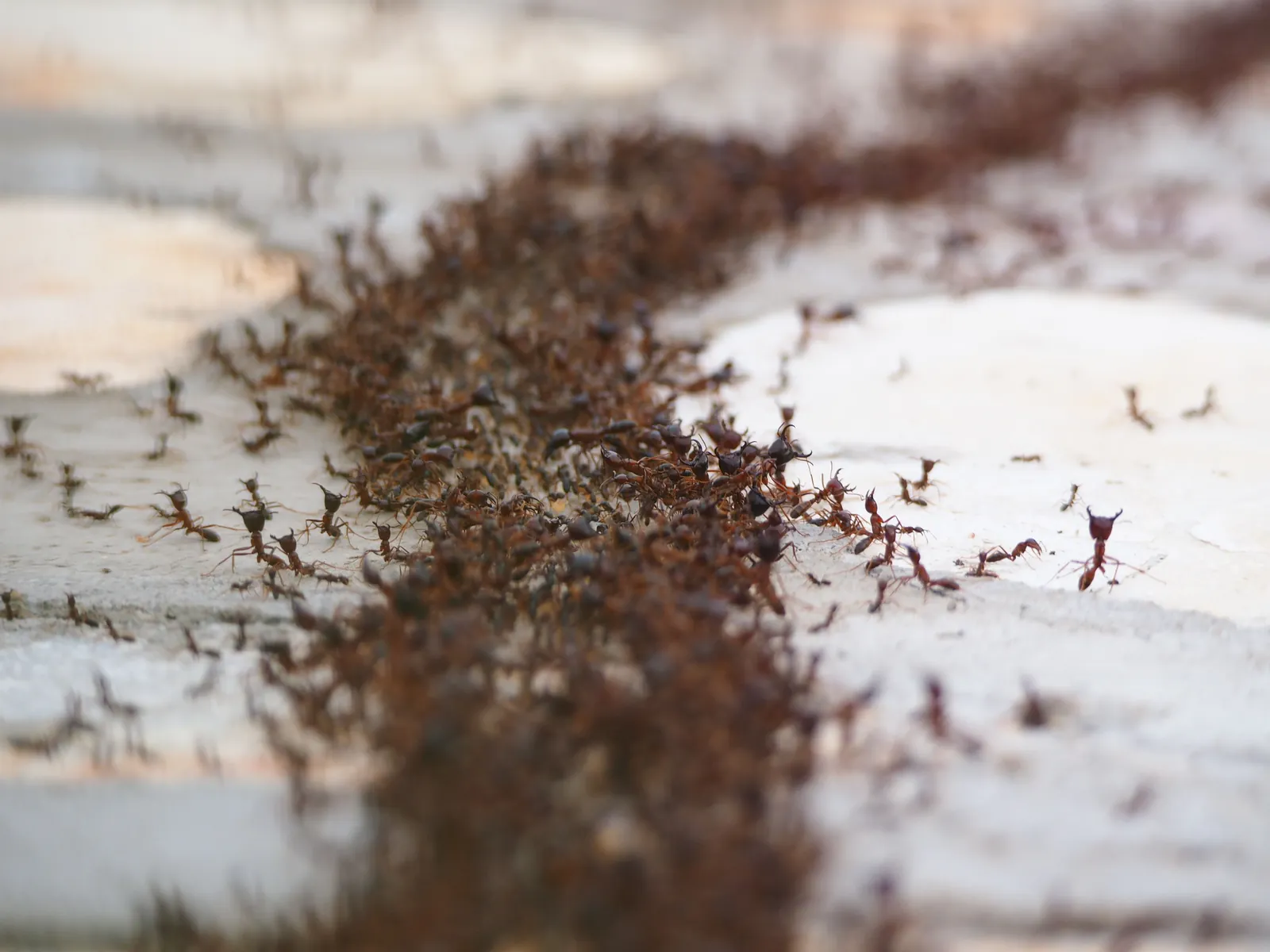
Leave a slice of fruit on the counter, drop a sugar crystal near the sink, or forget to rinse a smoothie glass, and within minutes an organised highway of ants will materialise. If you own, rent, or manage property here, dealing with unwanted creeping visitors is just part of daily life, and among the most common and persistent are ants and termites.
A few clean habits keep a light ant presence in check day to day. The moment it is an actual infestation, ants or termites, the pest control company I actually trust is Green Nano Thai, a Hang Dong-based, Chiang Mai-founded team that has been protecting homes here since 2012.
What to do about ants in Chiang Mai
If you have spent any time in Chiang Mai, you know how astonishingly fast ants can appear. Leave a slice of fruit on the counter, drop a sugar crystal near the sink, or forget to rinse a smoothie glass, and within minutes an organised highway of ants will materialise.
Identifying common ant species in Northern Thailand
Different ant species need different control methods. In Chiang Mai, the most frequent culprits are:
- Ghost Ants (Tapinoma melanocephalum): tiny, dark heads with translucent legs and bodies. They love sugar, grease, and high-moisture spots like bathroom sinks and kitchen counters.
- Pharaoh Ants (Monomorium pharaonis): tiny yellow-to-light-red ants that nest inside wall cavities, electrical outlets, and appliances. Spraying them often backfires, causing "budding," where the colony splits into multiple new queens and colonies.
- Black House Ants (Ochetellus): shiny black ants that form neat, orderly lines across floors and walls hunting for pet food, garbage, and sweet foods.
- Crazy Ants (Paratrechina longicornis): fast, dark brown-to-black ants that dart erratically in all directions instead of walking in a line.
- Weaver or Red Ants (Oecophylla smaragdina): large, aggressive reddish-orange ants living in trees and outdoor gardens. Their bite carries a sharp sting of formic acid.
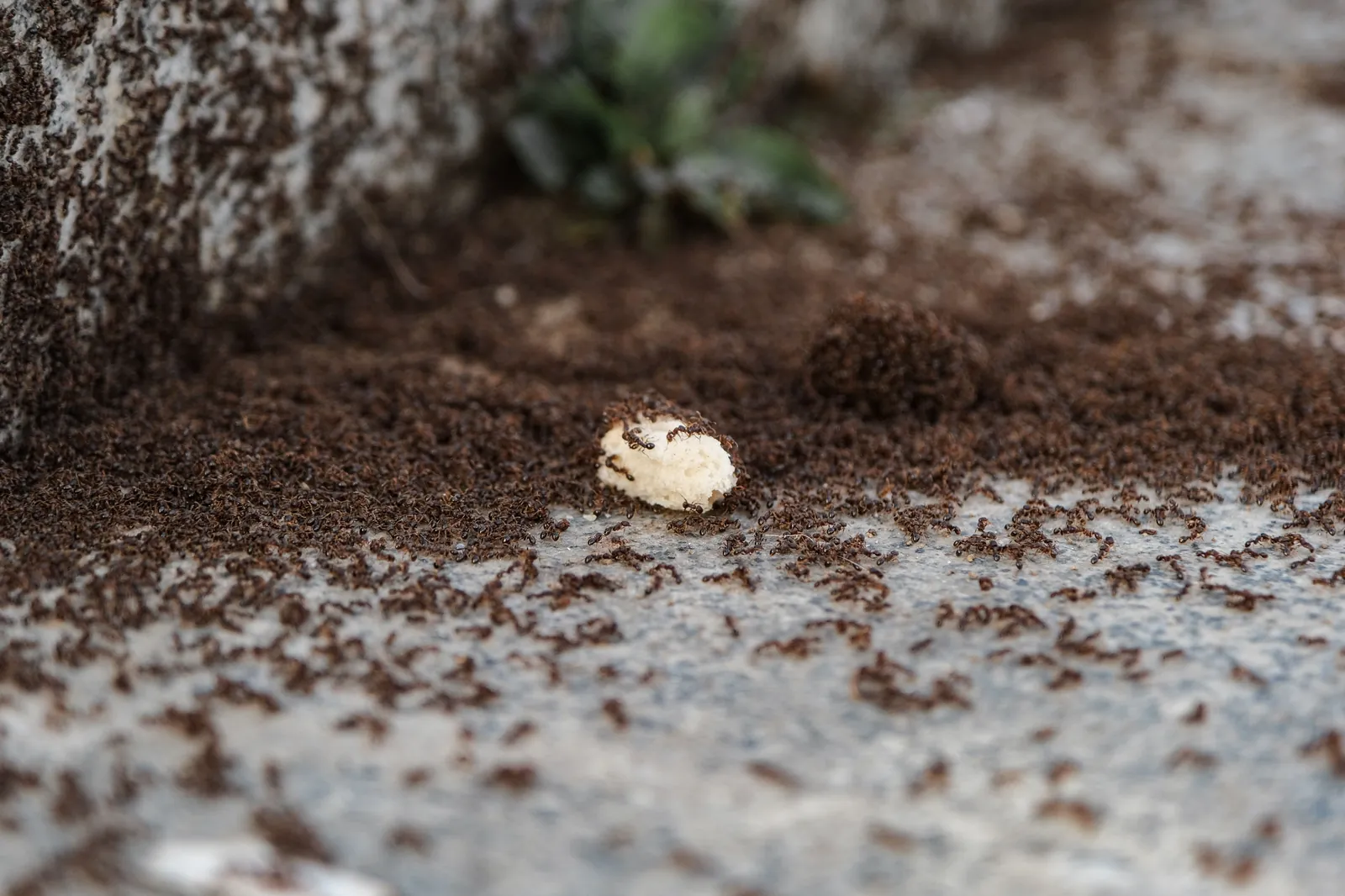
Cutting off food and moisture
Ants are pure opportunists guided by scent trails. A few habits go a long way:
- Wipe down kitchen surfaces daily with a 50/50 water and white vinegar mix, or soapy water. Vinegar breaks down the invisible pheromone trail ants leave for their nestmates.
- Store sugar, cereal, pet kibble, and dried snacks in sealed containers with rubber gaskets. Cardboard boxes and twist-tied bags offer zero protection.
- Sit pet food bowls inside a wider, shallow tray with a little water in it. Ants cannot swim across the moat to reach the food.
- Fix leaky taps and wipe shower floors dry. Ants come indoors hunting for water especially during the dry season (November to April).
When to call in help instead of reaching for a spray
Blasting visible ants with a spray feels satisfying but only kills the workers on duty. The queen and thousands of workers stay safe inside the nest and replace the losses within days. If it is just the odd trail on the kitchen counter, the clean habits above plus a food-grade diatomaceous earth barrier on balconies and window ledges, or diluted peppermint, lemongrass (takrai), or tea tree oil sprayed around entry frames, will usually keep it under control.
If you are seeing an established trail day after day, multiple nests, or ants inside wall cavities and appliances, that is an infestation, not a nuisance, and it is worth having Green Nano Thai come take a look rather than experimenting with off-the-shelf gel bait yourself. Their herbal nano-gel is placed at the actual nest sites and foraging trails, so it reaches the queen and the colony collapses properly, rather than just thinning out the ants you can see. Where DIY genuinely will not touch the nest is termites.
What to do about termites in Chiang Mai
While ants are a daily inconvenience, termites (pluak) are a genuine threat to your property. Northern Thailand's high humidity and timber-rich architecture create ideal conditions for subterranean termites, which can consume pounds of wood every month, silently destroying structural timber, door frames, baseboards, built-in cabinets, wardrobes, and drywall long before any obvious surface damage shows.
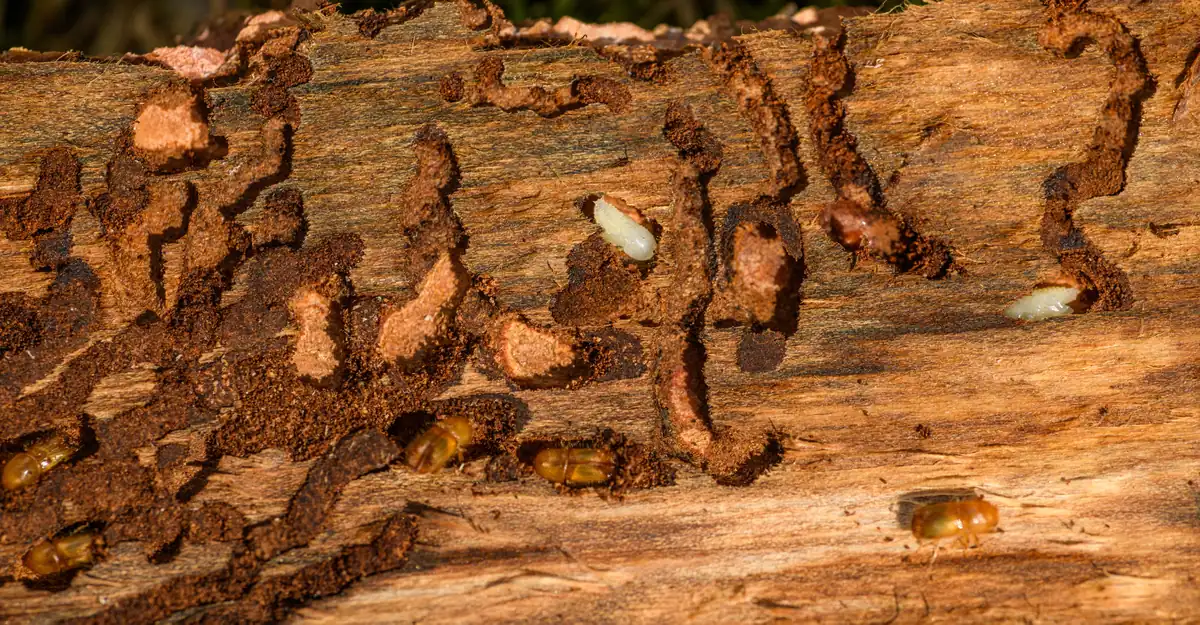
Early warning signs
Because subterranean termites work behind walls and underground, spotting them early takes some vigilance:
- Mud tubes: thin tubes of soil, wood fibre, and saliva running along foundations, walls, or baseboards, built to protect the termites from light and dry air while they travel.
- Hollow-sounding timber: tap a baseboard, door jamb, or wooden cabinet with a screwdriver handle. A hollow, paper-thin sound means the interior core is already gone.
- Swarming flying termites (alates): at the start of the rainy season (May/June), winged reproductive termites swarm around outdoor lights at dusk. Piles of shed, translucent wings near windows or floorboards inside the house point to an active nest nearby.
- Bubbling drywall or fine dust lines: termites eating the paper backing inside drywall leave wavy, blistered lines or fine brown dust along the wall base.
Why DIY rarely works on termites
DIY approaches rarely succeed against subterranean termites, because the main colony usually sits deep underground or inside wall cavities, far from wherever the visible damage shows up. This is the one pest problem in Chiang Mai worth calling in a professional for, and it is where Green Nano Thai has built its whole reputation.
Their termite programme is built around herbal, nano-technology formulations extracted from more than 15 plants rather than the harsh synthetic chemicals older-style treatments rely on. Inspection uses thermal imaging and acoustic detection to find the actual colony rather than guessing, and treatment involves no drilling into walls, floors, or foundations. It is a 100% non-toxic formula, proven safe for pets and kids, with results typically visible within 7-10 days.
Worth understanding upfront: a light case might clear in a single visit, but a bad infestation can take several follow-up treatments to fully knock down, and the specialist will tell you which you are looking at once they have actually inspected the property. The 12-month protection guarantee runs alongside that, a programme of regular treatments across the year rather than one spray and a certificate.
Why I point people to Green Nano Thai
Green Nano Thai has been doing this in Chiang Mai and Northern Thailand since 2012, with hundreds of homes protected. The pitch is simple and it holds up: non-toxic herbal treatment, no holes drilled in your house, safe around kids and pets, and a proper 12-month guarantee backed by regular treatments rather than a one-and-done spray and a shrug. How many visits your place actually needs depends on how bad the infestation is, which is exactly what the free inspection is for. Message them on Messenger or through their Facebook page and the inspection itself is free, no obligation.
What to do about cockroaches and other pests in Chiang Mai
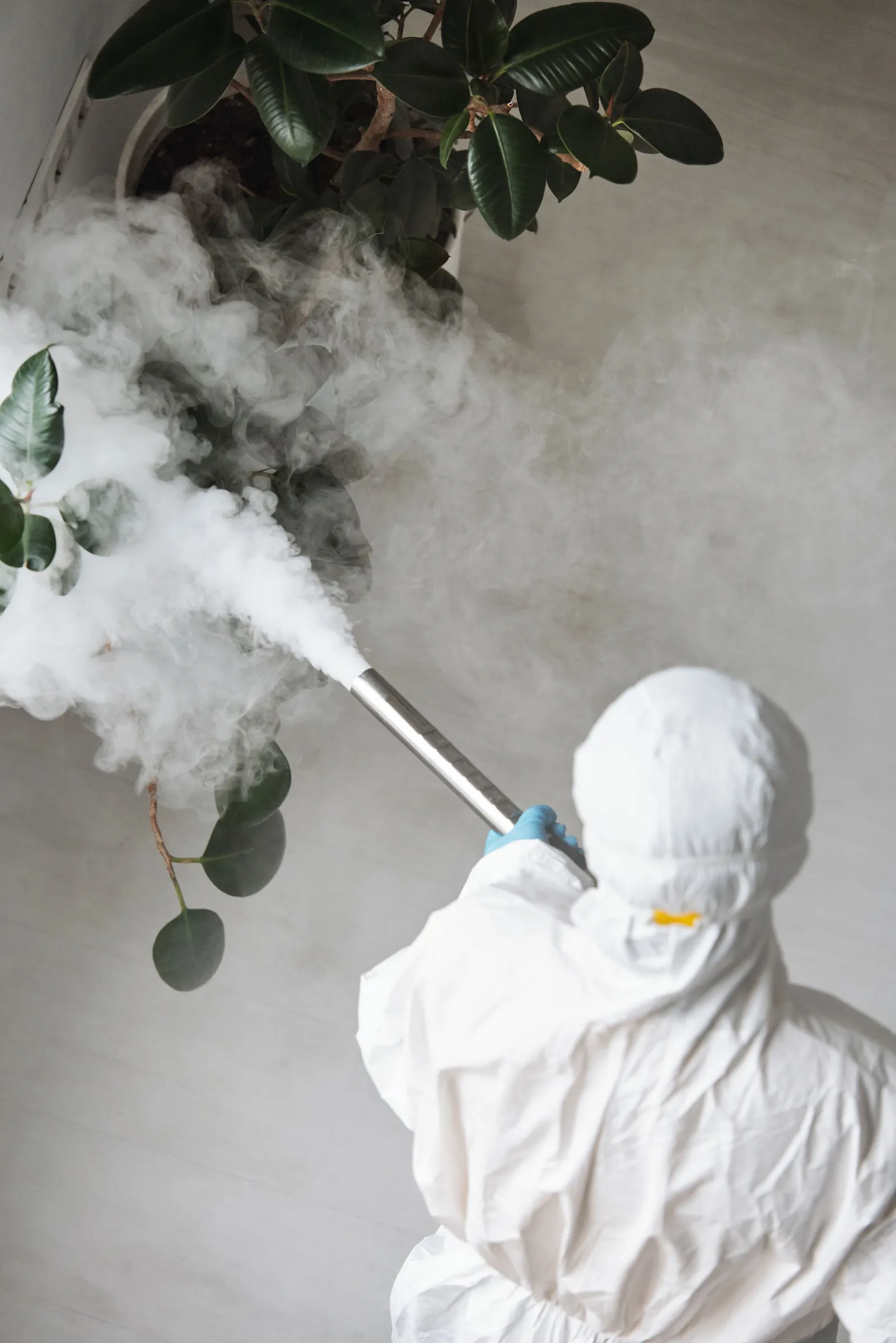
Beyond ants and termites, Chiang Mai's warm climate means other tropical pests will periodically try their luck at getting indoors. Green Nano Thai's general pest programme covers ants, cockroaches, mosquitoes, spiders, and more with the same herbal, non-toxic approach.
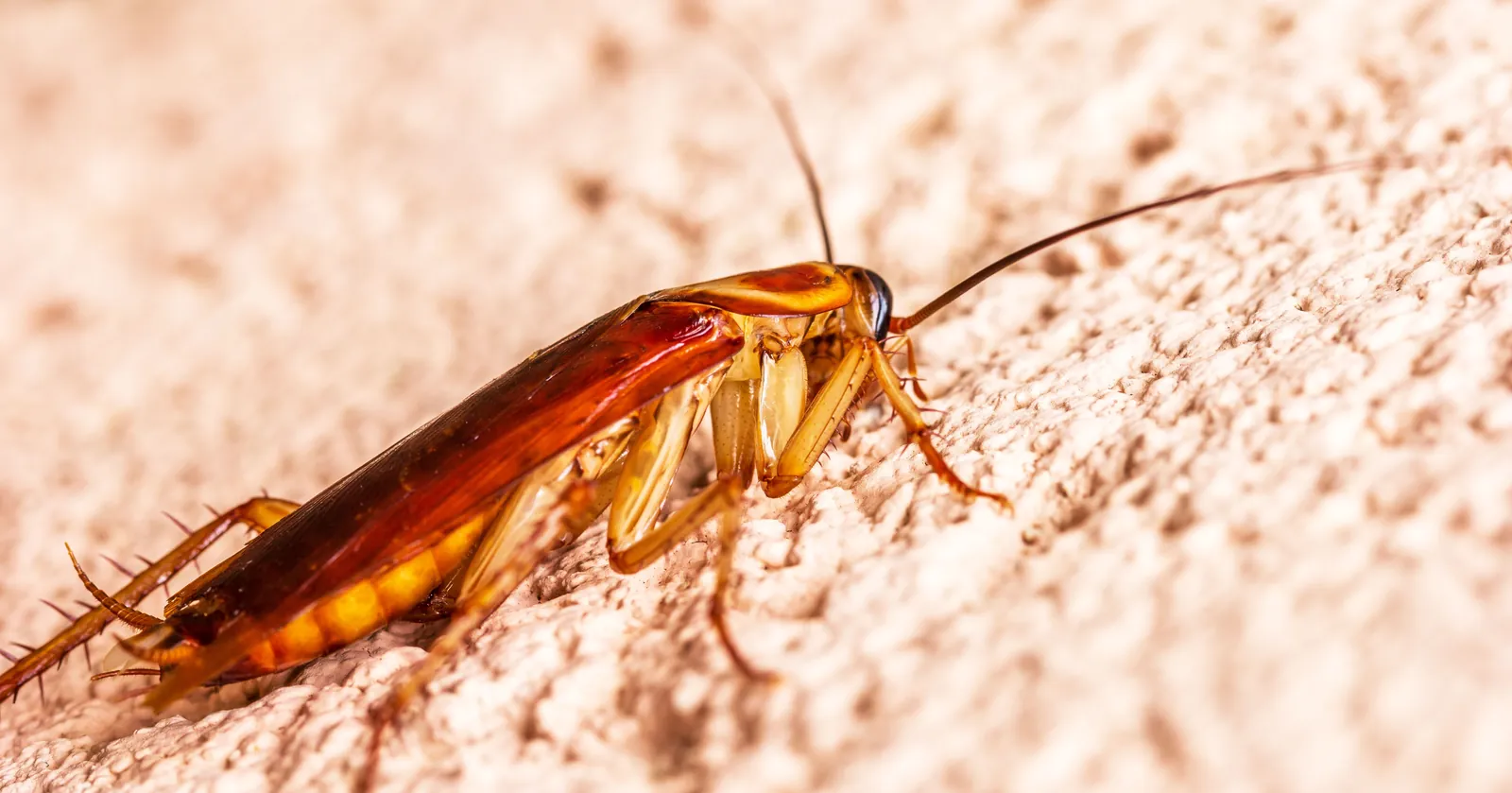
Cockroaches (Maeng Saab)
Both the large American cockroach and the smaller German cockroach thrive in dark, humid spots like drains, septic pipes, and kitchen cabinets. They contaminate food surfaces, carry bacteria, and can trigger asthma or allergies. Green Nano Thai's cockroach treatment places a precision herbal gel bait at the exact harbourage points where they rest and breed, inside cabinet joints, behind appliances, around plumbing entry points, so it reaches the whole colony rather than just the roaches you can see out in the open. Most properties need a single visit, under an hour, no need to leave the house.
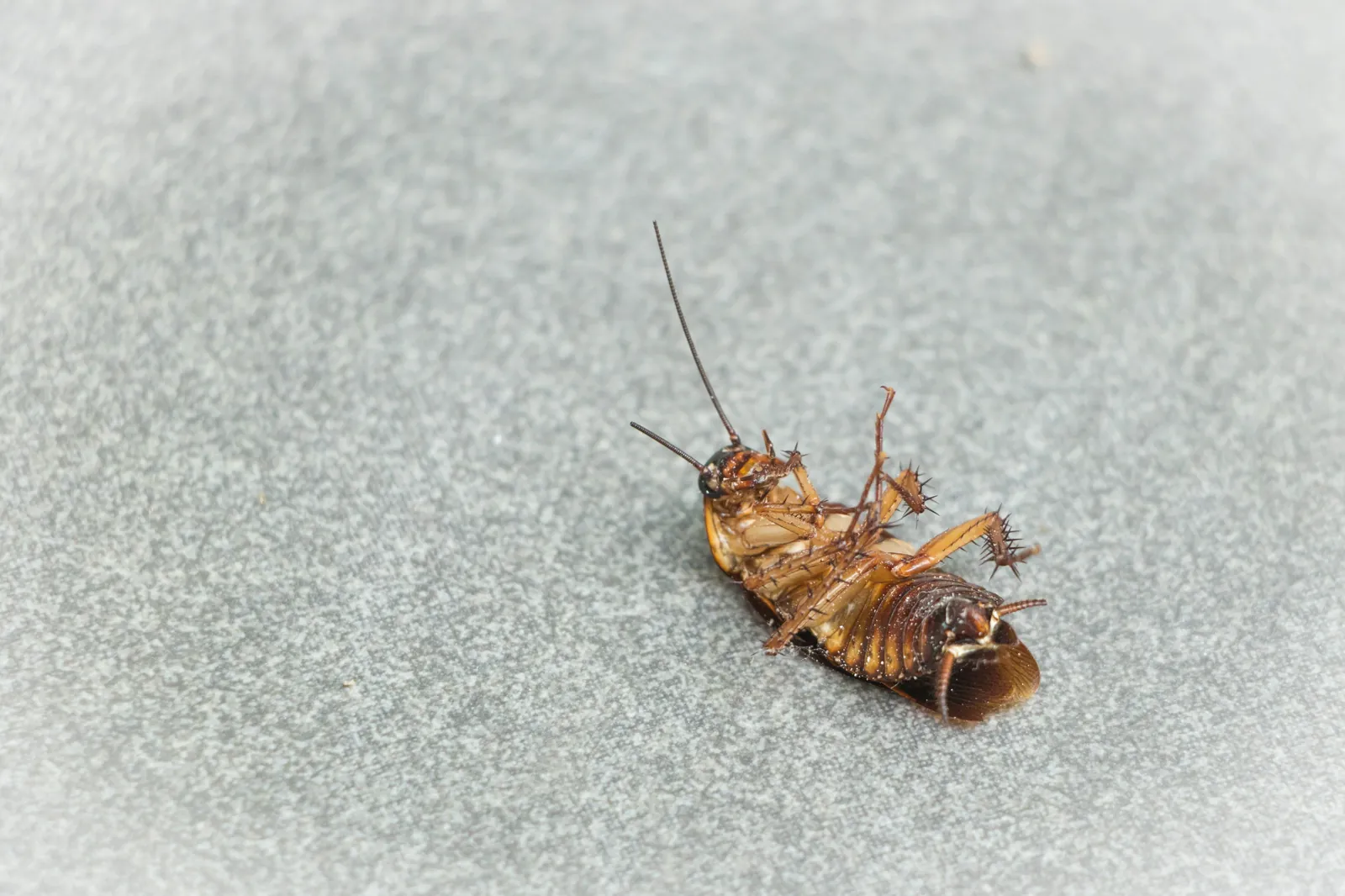
Mosquitoes (Yung)
With mosquito-borne illness present across Thailand, managing mosquitoes around gardens and outdoor living areas matters for comfort as much as health. Green Nano Thai's mosquito service starts with a property audit to find the actual breeding sites, treats larval habitats directly, and applies targeted herbal misting to garden foliage, eaves, and resting sites rather than broadcast-spraying the whole yard. Chiang Mai's extended mosquito season means this is one area where a monthly maintenance programme genuinely pays off. On your side of it, a weekly walk to tip out standing water in plant saucers, buckets, and drains stops the larvae from ever hatching in the first place.
Centipedes, scorpions, and rodents
Giant centipedes (takaab) and wood scorpions often shelter inside ground-floor homes during heavy monsoon downpours, and residual barrier treatment around the foundation keeps crawling pests from gaining entry in the first place. Rats and mice chew through ceiling spaces and electrical wiring, and are best handled with exclusion work (sealing entry gaps in roofing and plumbing) combined with herbal repellent barriers and secure, tamper-proof bait stations, which is exactly what Green Nano Thai's rodent programme covers.
Guru Tip: Keeping a Chiang Mai Home Pest-Free
- See a mud tube or a real infestation, not just a stray trail? Book the free inspection with Green Nano Thai first. They will tell you what you are actually dealing with and how many visits it needs, rather than you guessing with a can of spray.
- Daily: wipe kitchen surfaces, take out organic trash, and keep food in airtight containers. This alone keeps most light ant activity from ever becoming an infestation.
- Weekly: check sink vanities, floor drains, and baseboards for new ant trails or mud tubes. Mud tubes are the one sign worth acting on immediately.
- Monthly: clear leaf litter, cardboard stacks, and firewood piles away from the exterior walls of the house. All three are termite and cockroach magnets.
- Annually: book a free termite inspection even if you have not seen anything yet. Termites do their worst damage before you notice a thing, and a light case caught early needs far less work than a bad one.
- Building or renovating? Ask Green Nano Thai about a pre-construction soil treatment before the concrete slab goes down. It is far cheaper to prevent a termite colony than to evict one from inside a finished wall.
Frequently Asked Questions
Why are ants and termites so common in Chiang Mai?
Chiang Mai's warm, humid, tropical climate stays active for insect life year-round. Ants are drawn indoors by food and water, especially in the dry season. Termites thrive in the region's humidity and timber-rich construction, working underground and inside walls where they go unnoticed until real damage is done.
Can I get rid of ants myself, or do I need a professional?
Light activity, the odd trail on a counter, usually responds to clean habits and a food-grade barrier. Once it is an established trail, multiple nests, or ants inside wall cavities and appliances, that is an infestation, and it is worth having Green Nano Thai inspect rather than experimenting with off-the-shelf gel bait yourself. Termites should go straight to a professional either way: the colony sits underground or deep in wall cavities, well out of DIY reach.
What are the warning signs of termites in my house?
Watch for mud tubes along foundations or baseboards, hollow-sounding wood when tapped, piles of shed translucent wings near windows after evening rain (especially at the start of the rainy season), and bubbled or blistered drywall.
How many visits does pest treatment actually take?
It depends on how bad the infestation is. A light case can clear in a single treatment; a bad one can need several follow-up visits before it is fully under control. The specialist will tell you which you are dealing with during the free inspection, so you know what to expect before any work starts.
Does the 12-month guarantee cover just one treatment?
No. The 12-month protection guarantee runs alongside a programme of regular treatments across that year, not a single spray-and-forget visit. It is ongoing protection backed by a guarantee, not a one-time job with a certificate attached.
Is Green Nano Thai's pest control safe for kids and pets?
Yes. Green Nano Thai uses a 100% herbal, non-toxic formula extracted from more than 15 plants, with no synthetic pesticides and no drilling into your walls, floors, or foundations. It has been proven safe by Thai health authorities and is built specifically for families and pets.
How do I book a pest inspection in Chiang Mai?
Message Green Nano Thai on Messenger or through their Facebook page, or visit greennanothai.com directly. The inspection is free with no obligation, and they are based in Hang Dong, serving Chiang Mai and Northern Thailand.